Noting simply that a matcha is "a bit bitter" during a tasting offers little help for future purchases. Bitterness can stem from the powder itself, but it can equally result from water that is too hot, an excessive dose of powder, or using a blend formulated for milk rather than plain water. Recording preparation parameters ensures tasting impressions can be meaningfully compared.
Five factors to assess under identical conditions
Begin by checking whether the freshly opened powder is uniform and free from off-odours, then note its aroma when worked into a paste with a splash of warm water. After whisking, inspect the liquor colour and foam structure; on tasting, record when bitterness appears and whether the finish is clean. For subsequent samples, use the same water, powder weight, and utensils. If sugar or milk is introduced, evaluate it in a separate trial rather than comparing it directly alongside straight preparations.
Colour is heavily influenced by lighting, so photographs should be taken under consistent illumination. Foam volume also depends on whisking technique, water mineral content, and powder dosage. Sensory tasting notes help identify preferred flavour profiles, but they do not prove harvest season, geographical origin, pesticide compliance, or premium status. For wholesale procurement, always request formal documentation relevant to the specific batch.
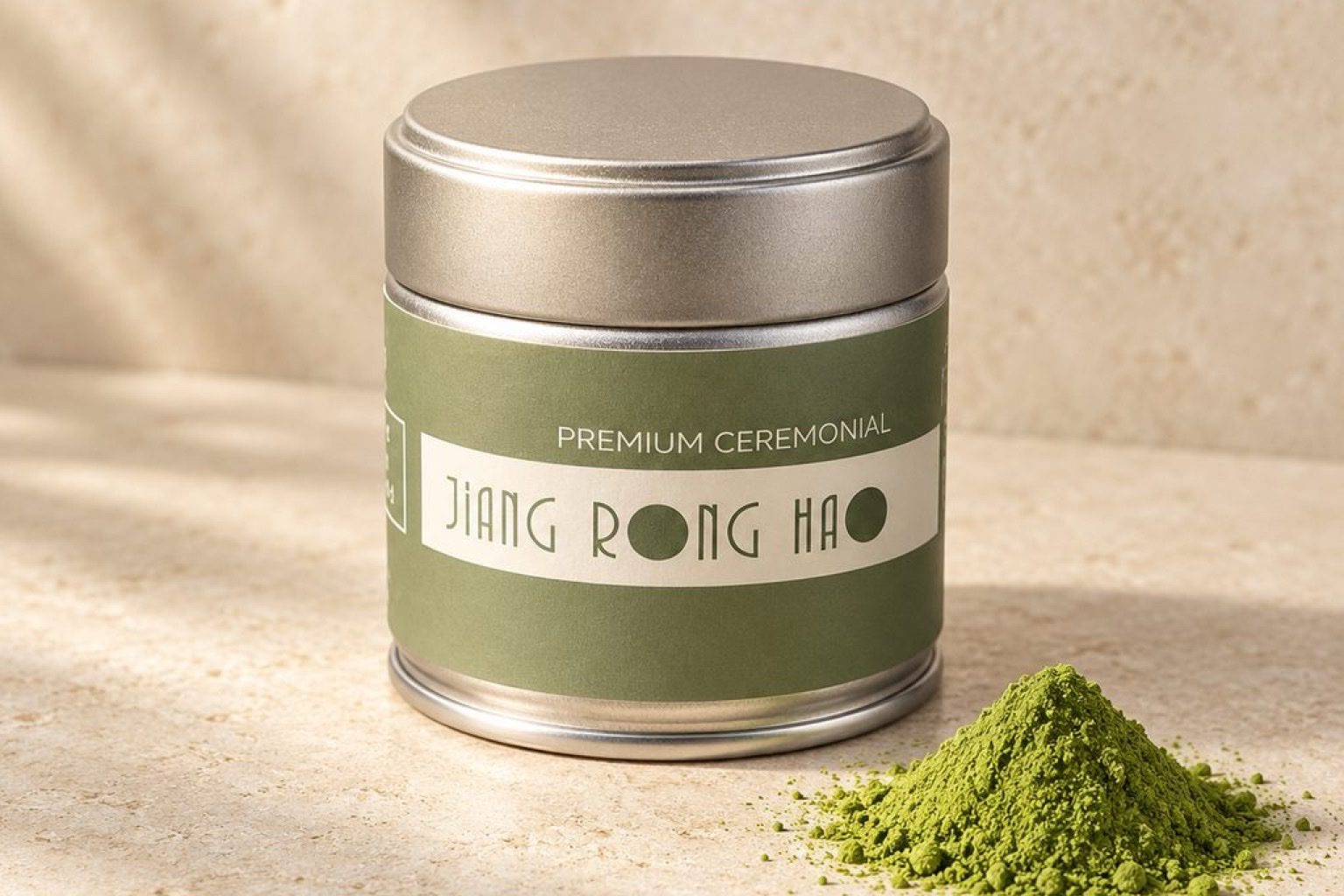
Jiang Rong Hao ceremonial, beverage, and culinary matcha should be evaluated according to their practical applications. If a package arrives damaged or exhibits an unusual odour, pause use and contact the seller for verification rather than proceeding with a tasting assessment. View matcha catalogue