
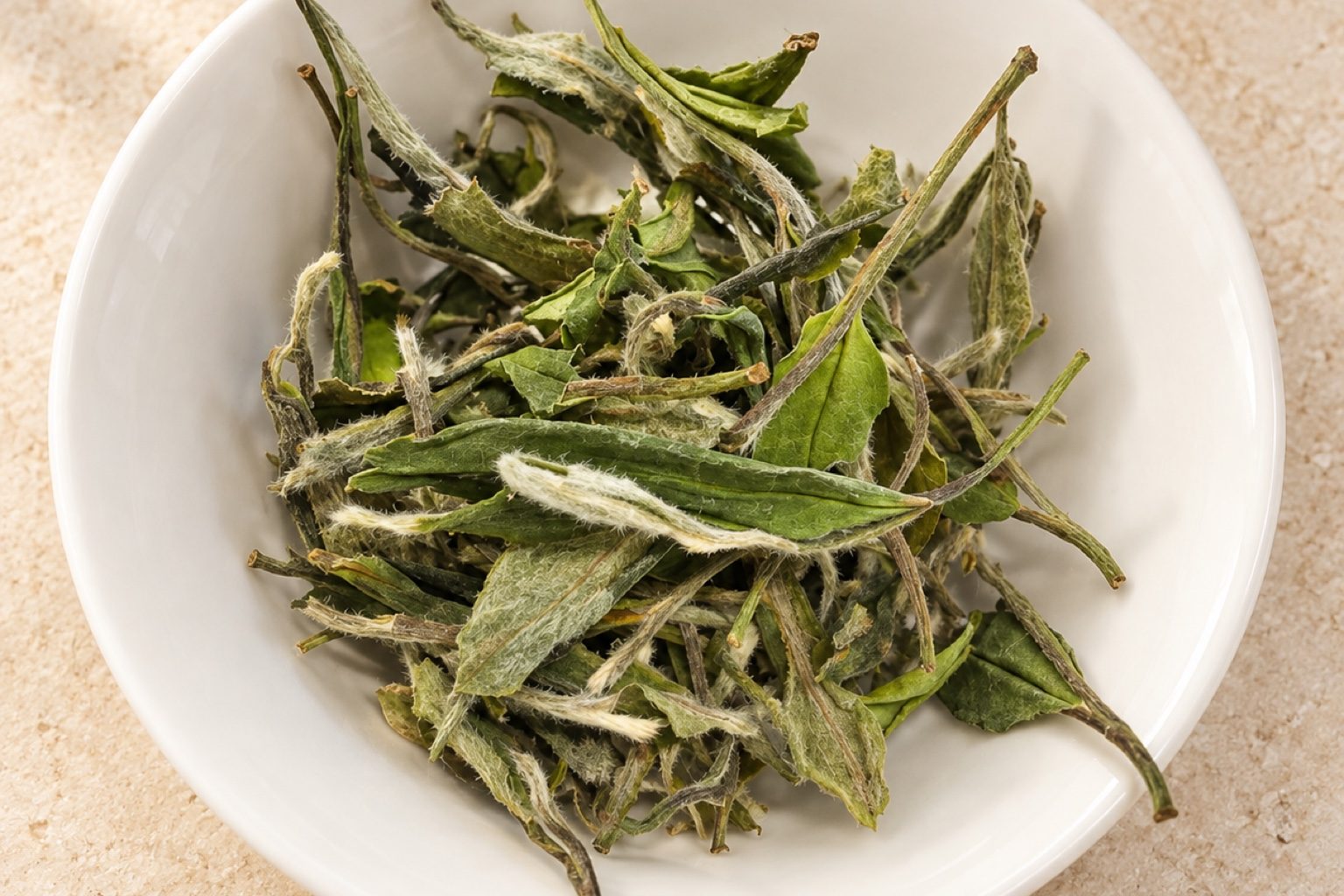
Notes like 'floral' and 'full-bodied' are easy to read on a label, yet the tea itself may not suit your shop in practice. When procuring samples, set names and price quotes aside and conduct at least one blind, side-by-side tasting. This evaluates performance in the cup rather than the impression created by packaging.
Make Samples Truly Comparable First
Assign random code numbers to each sample and keep a separate reference key sealed until all scoring is complete. For identical tea categories, keep water source, teaware, leaf dosage, temperature, and infusion time identical. For matcha lattes, also standardise milk type, powder weight, cup size, and ice quantity; evaluate straight matcha and lattes separately. Having someone who is not scoring brew the samples helps minimise visual bias.
Scoring does not need to be complicated: write one specific observation each for dry leaf/powder condition, aroma, palate, finish, and ease of preparation, then note 'willing/unwilling to feature on current menu'. If two options are very close, run a second round where service staff prepare a cup at standard operational pace to assess clumping, preparation speed, and consistency.
Discuss Procurement Only After Blind Tastings
Taste voting is only the first hurdle. Once codes are revealed, product specifications, batch documentation, testing records, label languages, MOQs, delivery destinations, shipping fees, and lead times must still be checked item by item; do not let a single pleasant tasting override compliance and supply assessments. Current Jiang Rong Hao matcha and loose-leaf teas can be sampled by intended use, with specific samples and supply terms confirmed upon enquiry.