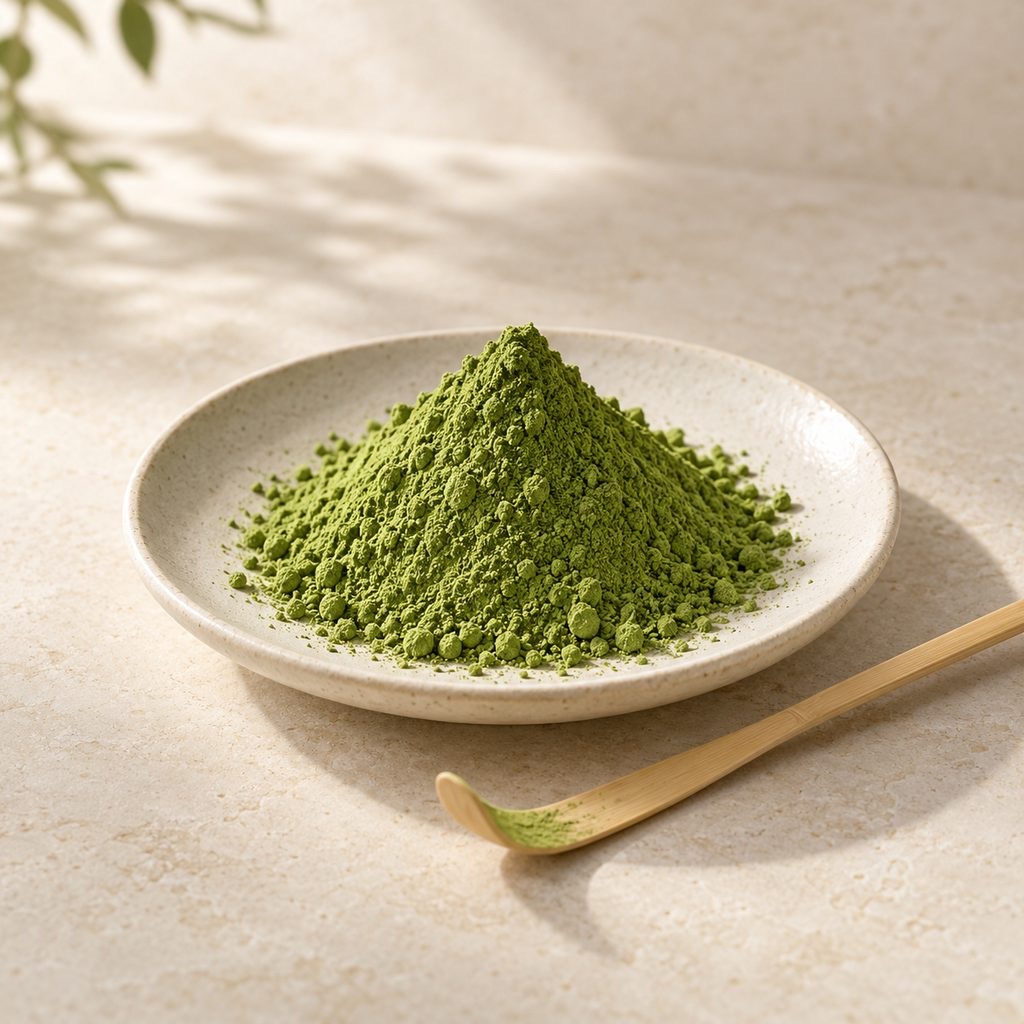
Beverage Grade Matcha
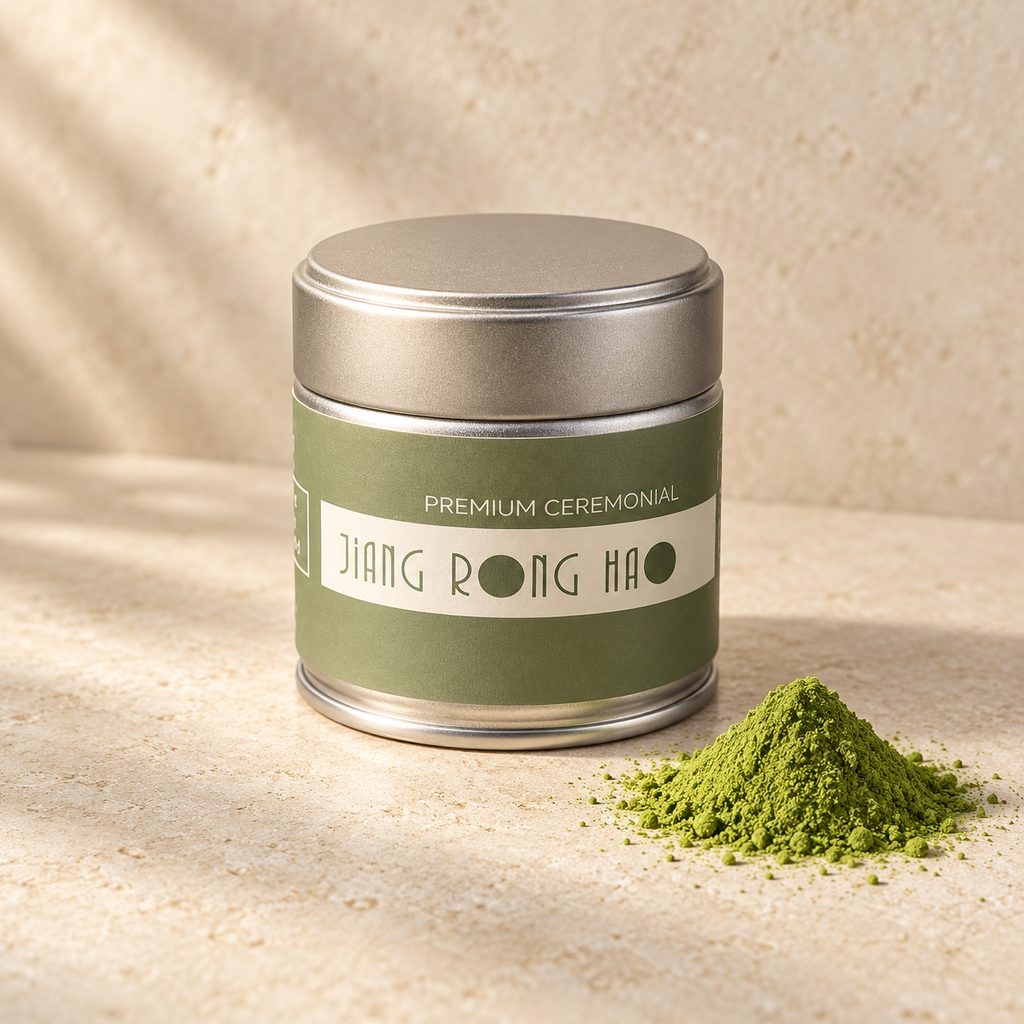
Original size description: 50 g matcha for lattes and everyday drinks.
50 g
Beverage Grade Matcha
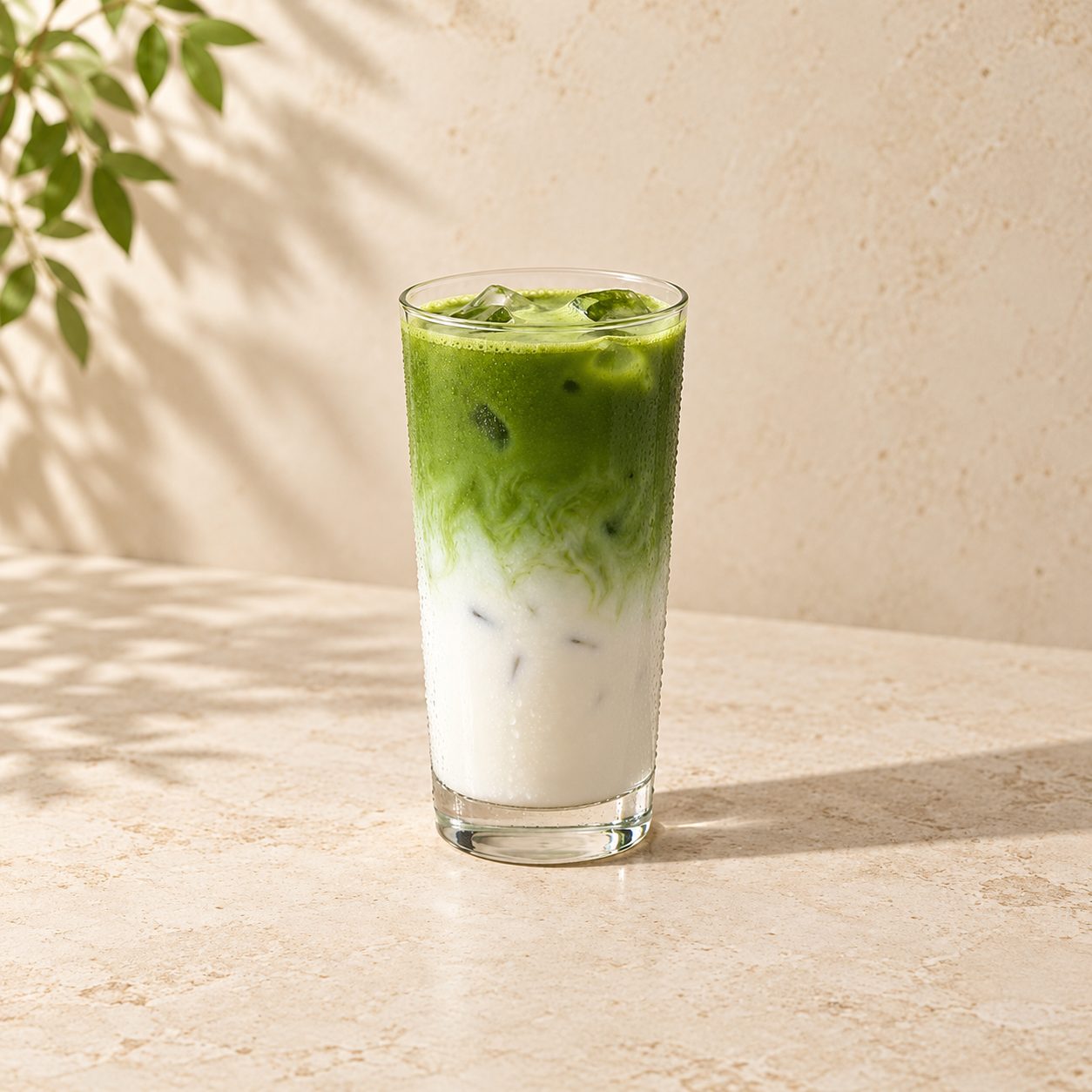
Original size description: Beverage matcha, 50 g, for matcha lattes and other hot or cold drinks. Blend with a little warm water, add milk or plant-based milk, and adjust strength and sweetness to taste.
Product and preparation guide
| Item | Details |
|---|---|
| Suggested uses | Hot or iced matcha lattes, plant-based milk drinks and smoothies. |
| Flavour selection guide | Choose this application for a clear matcha presence alongside milk. Adjust the powder-to-milk ratio for your preferred balance. |
| Original pack size | 50 g. Confirm the packaging format when enquiring; other listed weights are separate options. |
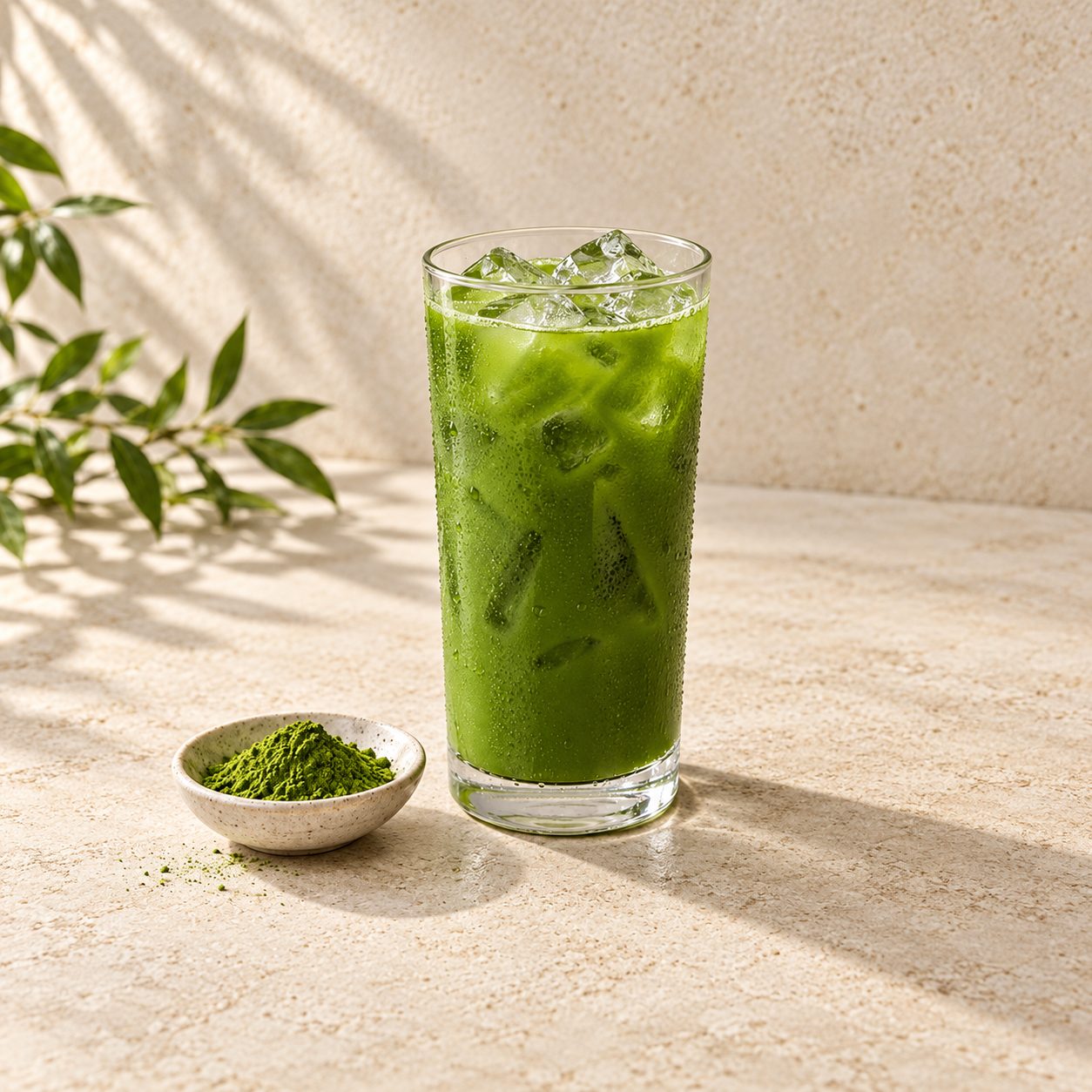
| Suggested serving | Mix 2–3 g with 30 mL water at 70–80°C, then add 150–200 mL dairy or plant-based milk. Add ice for a cold drink. |
| After opening | Use a dry spoon and reseal immediately after each use. Keep away from light, heat, moisture and strong odours. |
| Best flavour after opening | As a freshness guide, aim to use within about one month after opening. This does not replace the shelf life or instructions on the product label. |
| Refrigeration | In hot conditions, refrigerate in a fully sealed container. Allow the sealed pack to return to room temperature before opening to prevent condensation. |
These are preparation and selection suggestions; flavour varies with the batch, recipe and personal preference. Shelf life and storage instructions on the actual product label take precedence.
Raw Material Production and Quality Information
The following information on matcha raw materials and production facilities was provided by Hangzhou Fanglong Tea Group Co., Ltd. for product selection and procurement checks.
| Item | Information |
|---|---|
| Raw material manufacturer | Hangzhou Fanglong Tea Group Co., Ltd. |
| Production site | No. 18-1, Daban, Xianzhai Village, Yuhang Subdistrict, Yuhang District, Hangzhou, Zhejiang Province, China. This is the production site address; the specific tea gardens and harvest batches for the tea raw materials require separate confirmation. |
| Food production licence | SC11433011006873; the licensed product categories include matcha powder under tea powders. The document lists an expiry date of 2029-07-09. |
| Raw material composition information | The supplier's matcha Safety Data Sheet (SDS), dated 2026-07-21, lists Matcha 100%. The official ingredients for the grade, batch and retail packaging purchased are those on the corresponding label. |
| Storage recommendations | The supplier recommends storage in a cool, dry, well-ventilated place, with the packaging kept sealed. The specific shelf life and period of use after opening are those stated on the actual product label and in the batch documentation. |
| FSSC 22000 | Food safety management system documentation for the production site: FSSC 22000 Version 6, certificate CQM26FSSC00090, with a scope that includes matcha powder processing. The document lists an expiry date of 2029-04-12. |
| BRCGS Food Safety | Production site certification documentation: BRCGS Food Safety Issue 9, audit grade B, certificate C869941, with a scope that includes matcha powder. The document lists an expiry date of 2027-06-25. Applicability to the specific retail repacking and packaging arrangements must be checked for each order. |
| Halal documentation | Halal Foundation Center Hong Kong certificate 58860051480232; the attached product list includes Matcha. The document lists an expiry date of 2028-05-24. |
| Organic procurement documentation | The supplier provided Chinese organic processing certificate F47OP2600010 (valid until 2027-05-11) and EU organic certificate CN-BIO-141.156-0001887.2026.001 (valid until 2028-01-31), with listed scopes that include matcha. Organic orders require separate checks of the specific grade, batch, repacking and transaction documents. |
The above reflects the information recorded in the supplier documents provided; it does not automatically extend all certifications to the three retail products or every supplied batch. When sourcing, confirm the applicable certificates, batch test reports and labels. Sea transport classification reports and food facility registration documents are not conclusions on food quality testing or product certification.
Jiang Rong Hao Matcha · Craft and Quality
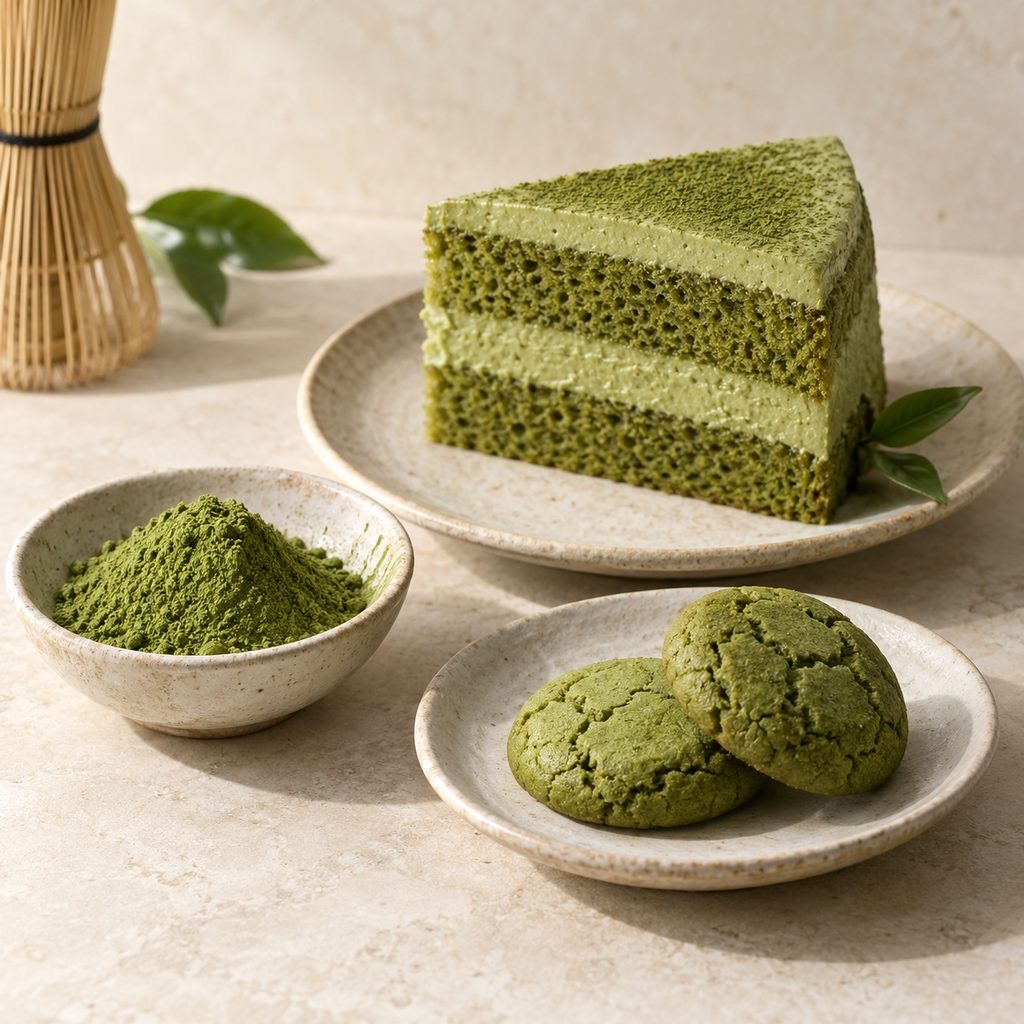
Jiang Rong Hao matcha is made from shade-grown tea leaves through steaming, drying and milling, with three options for whisking with water, preparing mixed drinks and baking.
Pesticide residues, heavy metals and production hygiene are important aspects to check in matcha quality documentation. When sourcing for the EU market, contact Jiang Rong Hao to confirm testing, traceability and any applicable certification documents for the relevant batch. Test results should include the analytes, values, units, methods, limits of quantification (LOQ), sample batch, report date and laboratory details.
Raw Material Processing Information
The following descriptions come from raw material production process documentation. They are neither EU statutory limits nor measured parameters for individual supplied batches.
| Item | Detailed Information |
|---|---|
| Shade Growing | The documentation describes shading that generally begins around 20 days before harvest; the specific schedule depends on the tea garden and production batch. |
| Steaming | The documentation describes a 15-second high-temperature steaming process with rapid cooling. This figure is a process description, not a guaranteed parameter for every product batch. |
| Drying and Milling | After enzyme inactivation, the leaves go directly into a tencha drying oven without rolling, then are milled into fine matcha powder. |
EU Market Standards and Limit References
The following are references to regulatory provisions and their conditions of application, not test results or certification conclusions for Jiang Rong Hao products. When sourcing, check the product category, intended use and regulations in force at that time.
| Item | Detailed Information |
|---|---|
| Pesticide Residues (MRLs) | Article 18 of (EC) No 396/2005: the specific limits listed in Annexes II and III apply first to the relevant pesticide and food category. Where no specific limit exists, the general default is 0.01 mg/kg, subject to exceptions such as Annex IV exemptions and alternative values in Annex V. Do not treat 0.01 mg/kg as a uniform limit for all pesticides. Read the Original Regulation |
| Perchlorate | Annex I, point 6.3.2 of (EU) 2023/915: the reference maximum level for tea (Camellia sinensis, dried product) is 0.75 mg/kg. Check the actual product category and the conditions of the provision. This does not mean that a test result for this parameter has been obtained for this product. Read the Original Regulation |
| Pyrrolizidine Alkaloids (PAs) | Annex I, point 2.4.4 of (EU) 2023/915: the reference maximum level for the tea covered by this provision (dried product, excluding products for infants and young children) is 150 µg/kg, equivalent to 0.15 mg/kg, calculated using the sum of alkaloids specified in the regulation. The provision defines the tea categories covered. A concentration factor of 4 applies separately to tea extracts in powder form; ground tea leaves must not automatically be equated with extracts. Read the Original Regulation |
Historical Audit and Certification Information
The following is historical information recorded in documentation relating to raw material production.
| Item | Detailed Information |
|---|---|
| Historical AIB Inspection | The raw material manufacturer underwent an announced AIB International inspection on 21–22 July 2020, with a recorded score of 820/1000. The inspection was based on the AIB International Consolidated Standards for Prerequisite and Food Safety Programs. This is a historical inspection record, not EU product certification. |
| Quality and Food Safety Systems | The raw material production documentation lists ISO 9001, ISO 22000, FSSC 22000 and HACCP. The specific standard versions, certificate numbers, certificate holders, factory scope and validity periods must be checked against the corresponding valid documents. This information does not establish that Jiang Rong Hao is certified. |
| Years Listed in Other Historical Materials | The documentation lists ETP (2017), Rainforest Alliance (2018), Halal (2018) and Kosher (2019). These are years shown in historical materials, not evidence of current certification or permission to use certification marks for the three matcha products now on sale. |
Preparation Suggestions
| Powder Amount | 2–3 g |
|---|---|
| Water Amount | 30 ml |
| Milk Amount | 150–200 ml |
| Water Temperature | 70–80℃ |
Blend the powder first, then add milk or plant-based milk; add ice for a cold drink.
Adjust amount and time to taste.
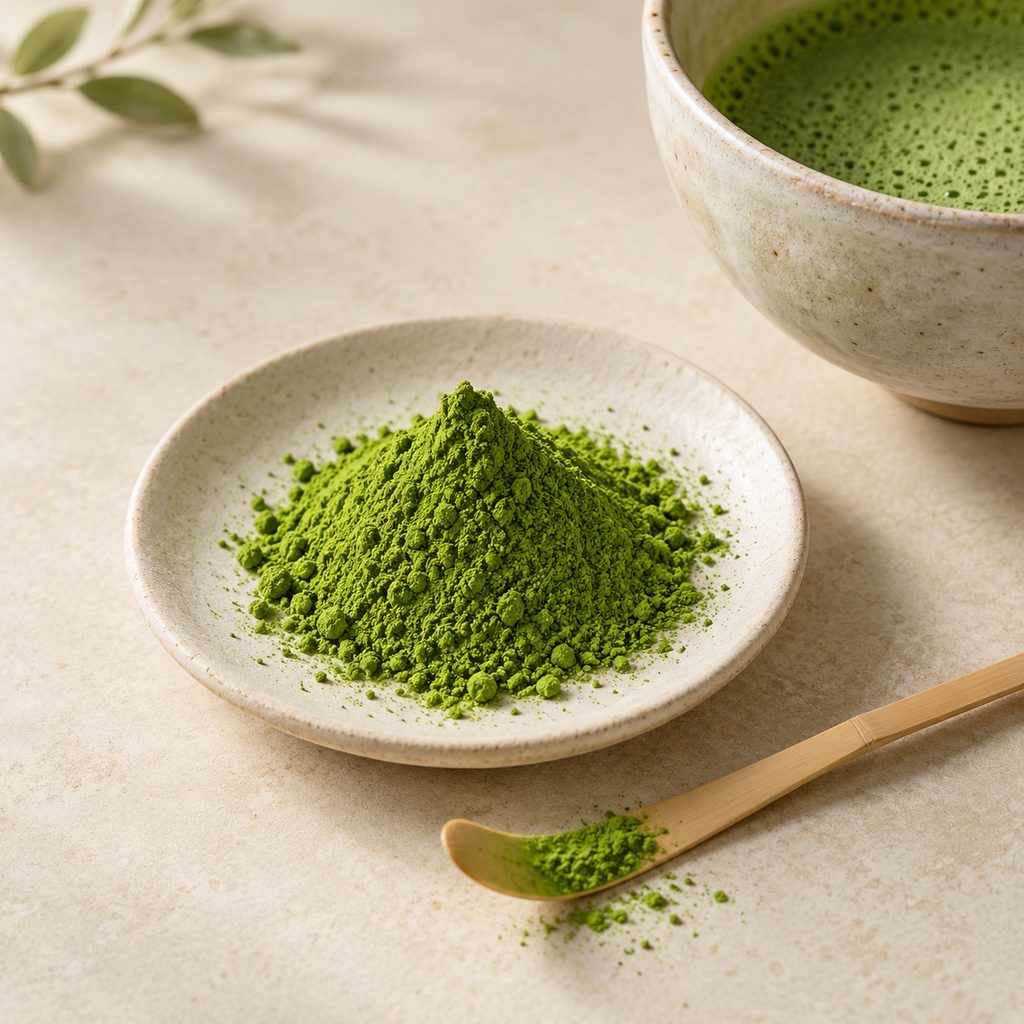
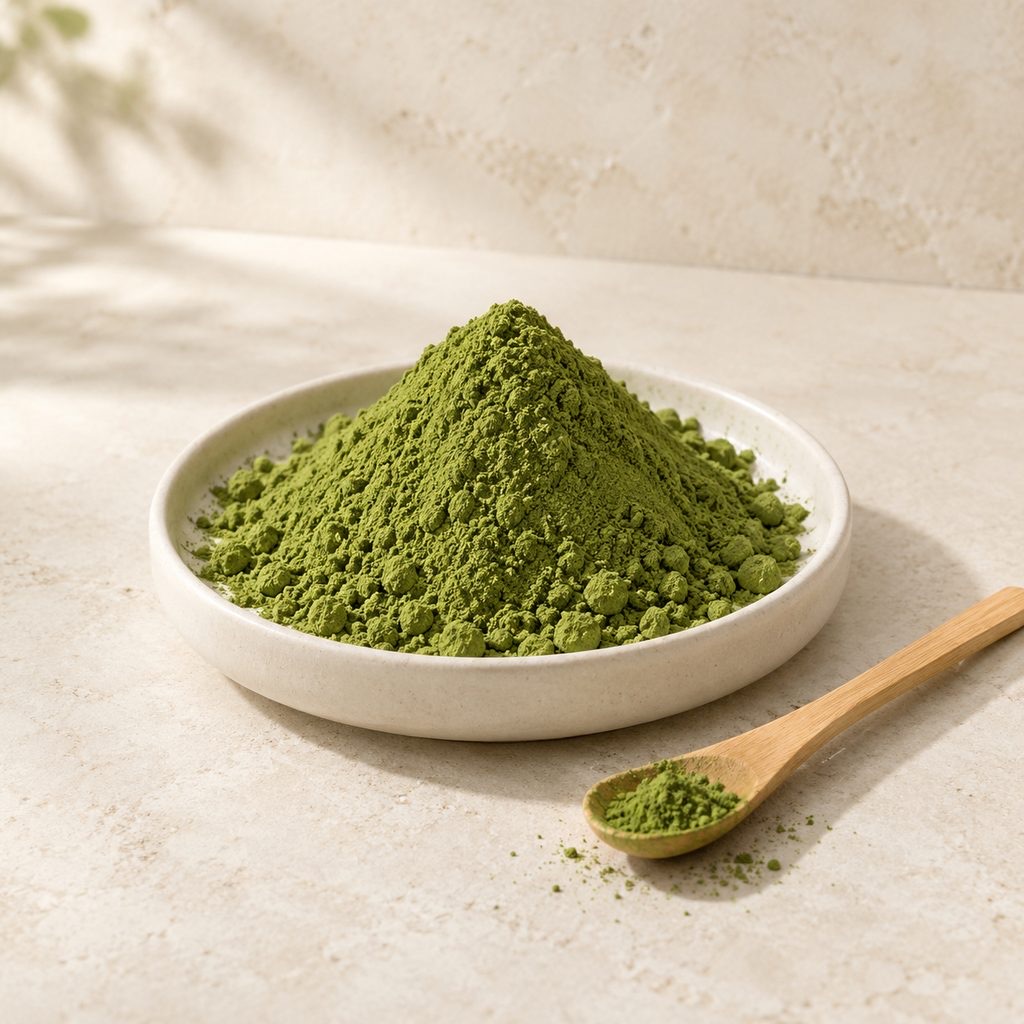
Images are based on real-product references and product names. Actual texture, colour and packaging follow the real product.
| Net weight | 50 g |
|---|---|
| Price | USD 9.95 |
Product reviews
Loading reviews…
Write a product review
Share your honest experience with this product. Reviews are published after moderation.