The leaf-to-water ratio may seem like a straightforward number, but one must first establish which vessel is being used. A small measure of leaf infusing slowly in a large mug cannot be directly compared in strength against a generous measure decanting quickly from a small gaiwan purely by dry weight in grams.
If scales are available, record the dry leaf weight alongside the water volume, such as "3 g of leaf to 150 ml of water for this brew", followed by steeping duration and tasting notes. This figure serves purely as a starting point for trial brewing, not a universal standard for every Jiang Rong Hao product. Without scales, start with a modest leaf dose and increase it next time if too weak; avoid overdosing merely to see leaves blanket the bottom of the vessel.
How to verify that adjustments work
If the tea tastes too strong, you can reduce the leaf measure, increase the water volume, or shorten the contact time—select just one parameter first. If it tastes weak, determine whether there is too little leaf, the decant was too quick, or the water temperature was insufficient. Try to conduct consecutive trials in the exact same cup, avoiding changing vessel volume while claiming to have used "the same pinch of tea".
When drafting brewing cards, retailers should test leaf measures against specific tea categories and packaging formats, rather than printing a single card for all products. Customers can then adjust according to their own water quality, teaware, and personal palate.
When creating in-store brewing cards, it is best to indicate both vessel capacity and decanted liquid volume in millilitres; customers who only see "grams of tea" may easily interpret it as a different brewing style altogether.
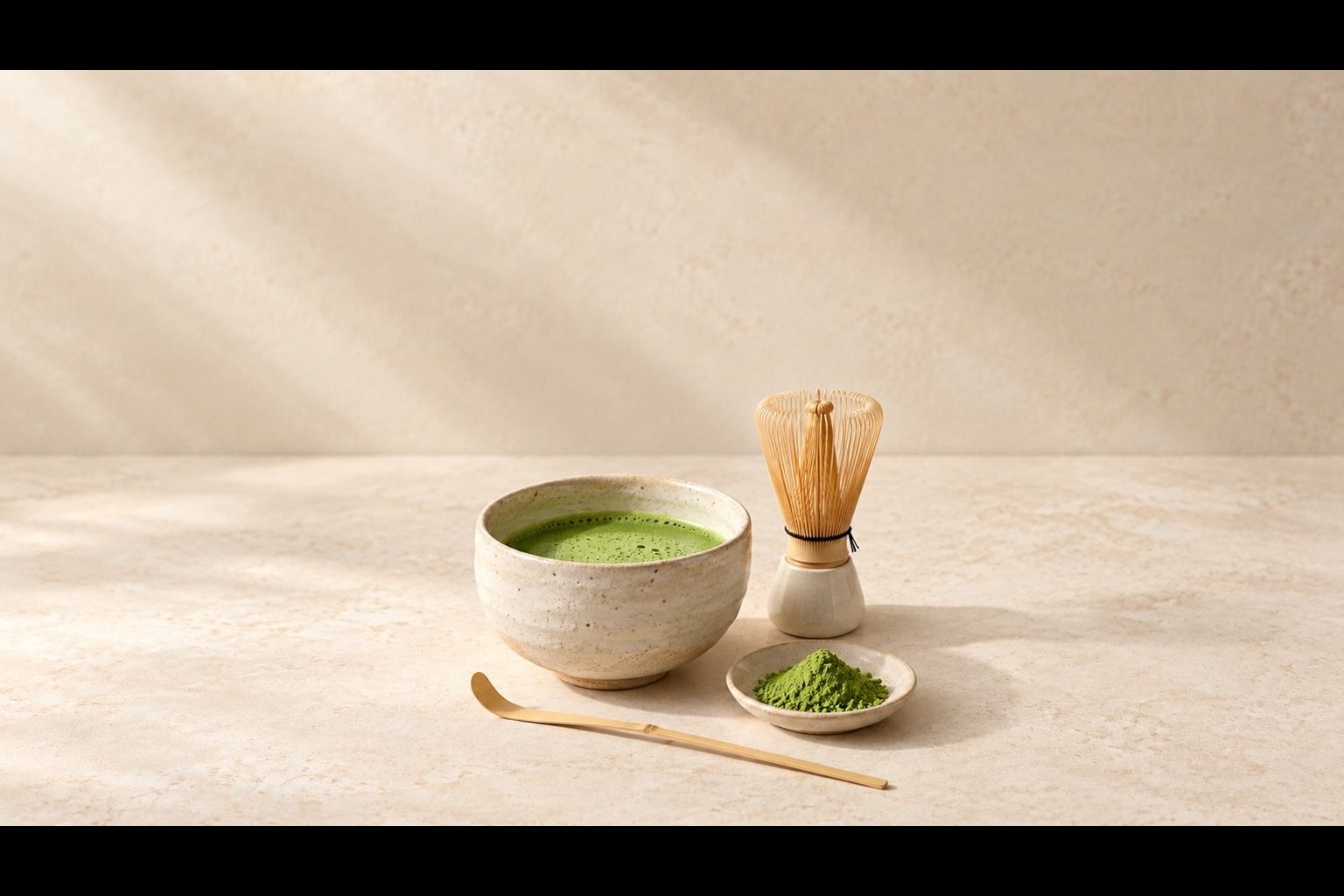
Matcha involves preparing a beverage from suspended powder, whereas whole-leaf tea involves steeping leaves; dosing terminology for the two must not be conflated. When detailing specifications on product pages, keep net weight distinct from recommended usage guidelines.