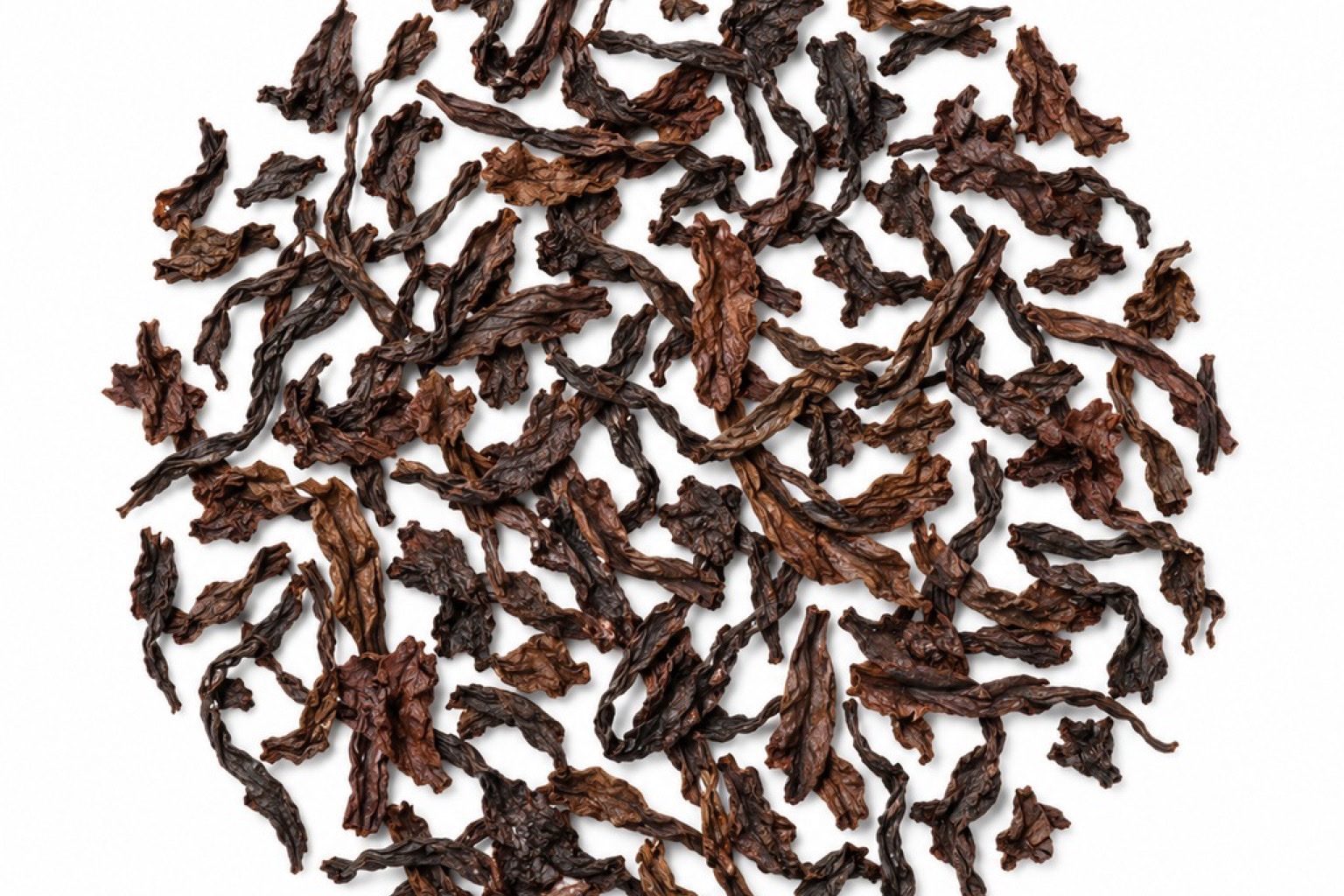
Understanding the difference between raw and ripe Pu-erh begins with processing methods and drinking maturation. Raw Pu-erh does not undergo the microbial pile fermentation used for ripe Pu-erh, which relies on deliberate post-fermentation; their aroma profiles, palate weight, and storage considerations cannot be treated interchangeably. Increased age does not automatically ensure superior quality, nor can warehouse history be deduced simply from wrapper designs.
For an introductory comparison, take small portions, use matching teaware, and log dry leaf aroma, awakened leaf fragrance, liquor density, and sweet finish. Raw Pu-erh calls for attention to astringency, bitterness, and returning sweetness, whilst ripe Pu-erh should be checked for smoothness, earthy depth, and the absence of off-odours; these notes reflect a single tasting rather than proof of terroir or tree age.
Jiang Rong Hao offers raw Pu-erh, ripe Pu-erh, and 357 g tea cakes. Before ordering, specify whether you require raw or ripe tea, format, vintage, batch code, storage history, net weight, and destination country in your trade enquiry; do not infer missing details from general product titles. View Pu-erh tea
Whether tea cakes are sold as whole compressed discs or pre-portioned loose pieces also influences transport stability and ongoing storage. European buyers should clarify these aspects alongside retail packaging rules, responsible business operators, and returns policies. Descriptive website terms like 'suitable for cellaring' cannot substitute for verifiable warehouse records, nor should they imply guaranteed appreciation in value.