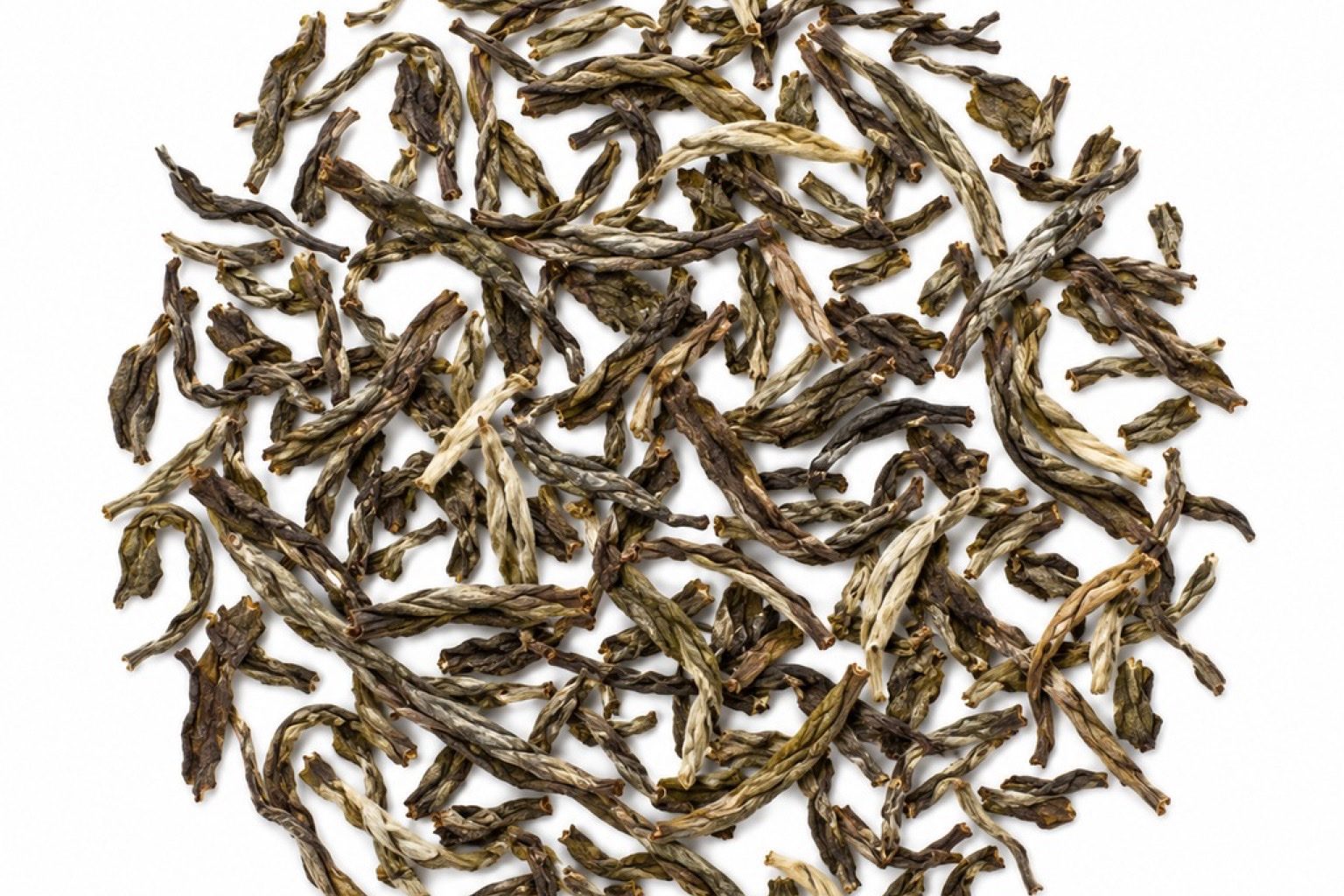
The honeyed and herbaceous aromas of Najiao raw Pu-erh can serve as sensory notes from a single tasting session, but they cannot be used to prove mountain origin, tree age or vintage. Separate product specifications from what is in the cup first, so comparisons are not led astray by names.
Before brewing, record the form of the tea cake or loose leaves, the batch number and the opening date. For the first infusion, decant quickly and note down the aroma, initial astringency and returning sweetness; extend the duration slightly for the second infusion to observe any shifts in bitterness and astringency. Keep the water quality and teaware consistent. If comparing with another raw Pu-erh, change only the tea first, rather than adjusting other variables at the same time.
Village origins, production years, storage conditions and testing details not stated on the product page should not be deduced from a honeyed aroma. Najiao raw Pu-erh from Jiang Rong Hao is suitable for product sampling; bulk procurement for Europe still requires confirmation of packaging, labelling, duties, taxes and delivery lead times. View Pu-erh Products
If planning long-term storage, check the supplier's recommendations for temperature, humidity and light protection first; without specific data, state only a general dry, odour-free environment rather than inventing numerical figures. Keep tasting notes and storage records separate to avoid presenting personal flavour preferences as definitive conclusions about storage.