
Raw and ripe Pu-erh can be compared side-by-side using the same gaiwan setup, but brewing logs should be kept separate. Tea dosage, leaf awakening, first infusion duration and subsequent pour timings all affect the outcome; blindly copying one set of parameters often yields only 'this cup is too strong' or 'there is no flavour', leaving it unclear which variable caused it.
Reserve a Column for Each Tea Category
Record the product format and batch number first, followed by leaf dosage, water temperature, awakening duration and the seconds for each infusion. For raw Pu-erh, focus on bitterness, astringency, returning sweetness and aromatic shifts; for ripe Pu-erh, observe thickness, sweetness and changes in wet-pile aroma. Keep water quality, teaware and the time of day as consistent as possible. If the sole objective is to determine which tea suits breakfast, state this purpose in the table header.
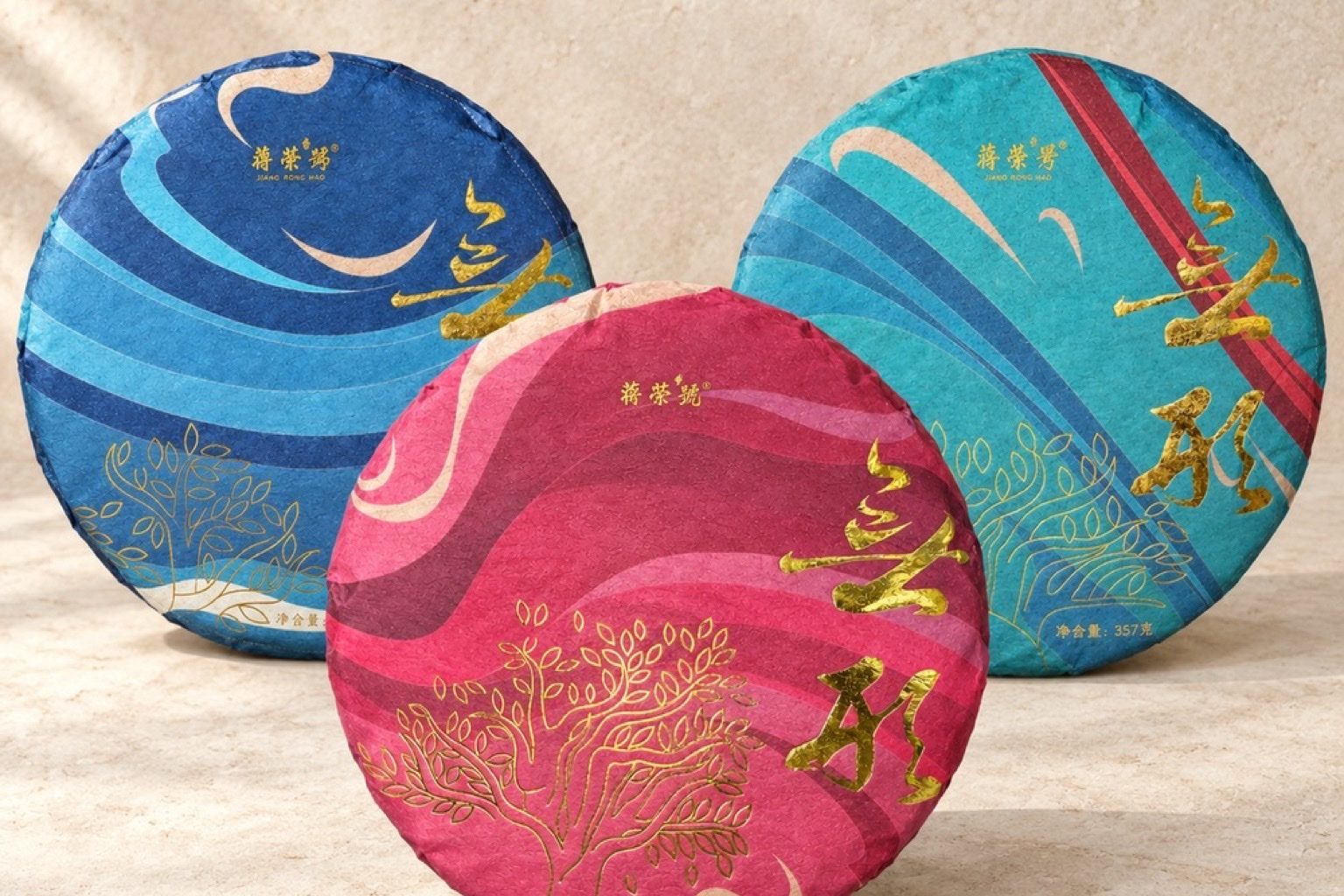
Sensory records cannot substitute for documentation on origin, vintage, storage or testing. The Jiang Rong Hao catalogue includes loose leaf tea and 357g tea cakes; actual specifications, packaging, available quantities, as well as European duties, taxes and transit times, must be confirmed upon enquiry. Browse Pu-erh Tea
When brewing the same tea continuously, it is advisable to record the exact duration of each infusion rather than merely noting 'second infusion'. European shops need to translate these records into actionable steps for staff: grams, millilitres, seconds and teaware. If replicating across multiple locations, check whether differences in local water sources will affect the results.