
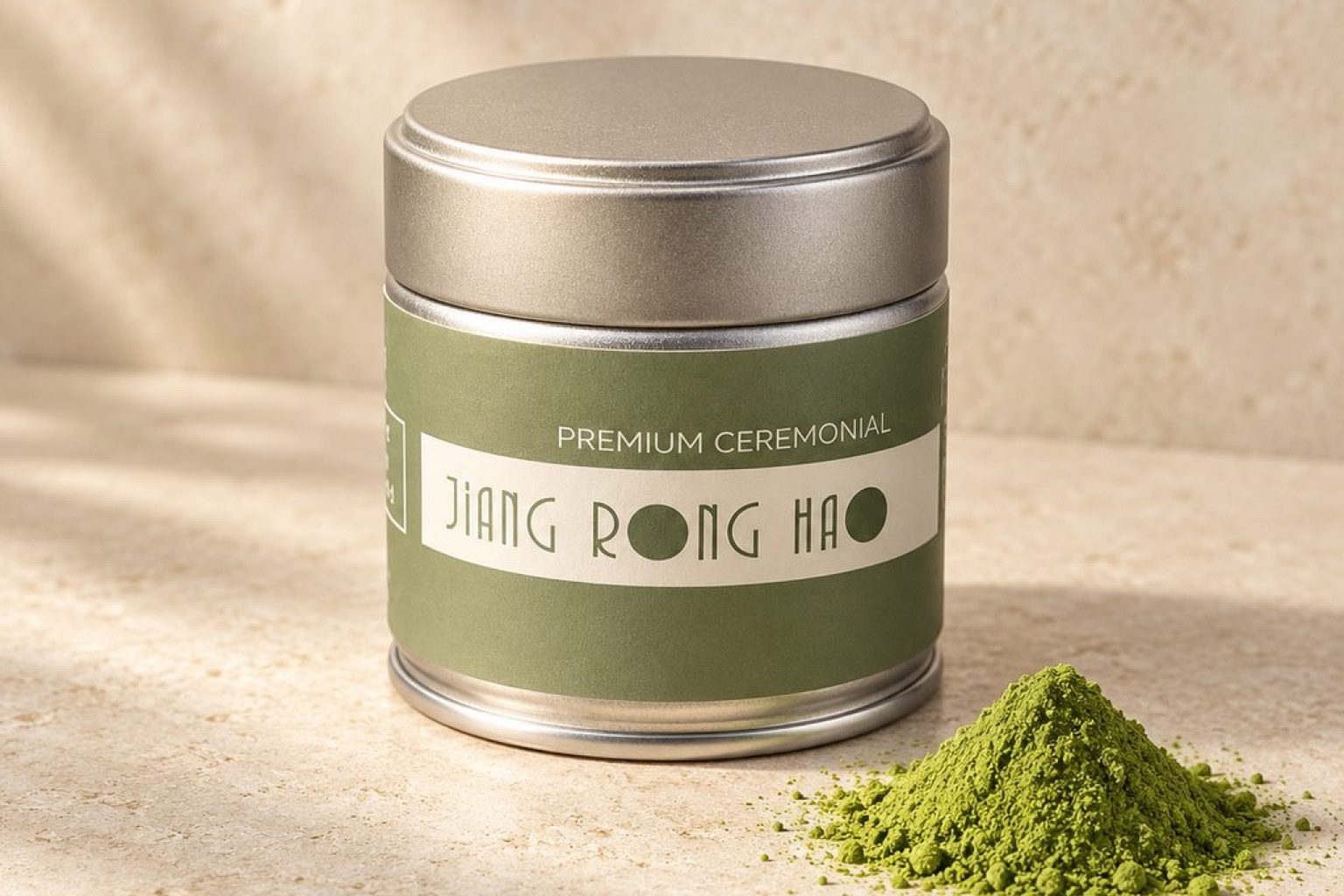
On retail shelves or e-commerce pages, matcha and green tea powder can look remarkably similar. If you intend to make an unadulterated bowl of tea without milk, selecting the wrong powder will be immediately apparent on the palate; if you simply wish to colour a biscuit dough, the technical demands on the powder are entirely different. Evaluating intended use before comparing product names ensures a far more meaningful assessment.
Examine the rear label before opening the packaging
The legal product name and ingredients list state plainly how the powder is classified. Claims regarding raw materials, shading, steaming, and milling only carry verifiable weight when linked directly to specific products and batch documentation. Colour, price point, and descriptors such as "ultra-fine" cannot replace these formal declarations. Particularly for cross-border purchases, English or local-language labelling, the responsible operator, and batch details must be verified together.
When comparing two sample pouches, use identical cups, equal water volumes, and comparable water temperatures for a controlled test. Sift a small measure of each powder, work it into a paste with a splash of water, add the remaining water, and evaluate clumping, aroma, and mouthfeel; prepare a second parallel sample with a fixed volume of milk. Documenting these two applications separately prevents a powder suited for baking from being dismissed as poor simply because of its unblended performance.
Jiang Rong Hao currently presents three matcha options defined by their intended application. When comparing other green tea powders, it is best to request complete product specifications rather than ordering on the basis of the word "matcha" or a green product photo. View matcha catalogue