When reading about matcha, "shade-grown" and "first harvest" often stand out as prominent selling points. Yet for a buyer comparing two pouches, these descriptors are only meaningful when linked to specific raw materials, harvest dates, and verifiable batch numbers. Tea estate imagery unlinked to an individual product cannot validate a particular bag of powder.
Shading alters the sunlight received by the tea bushes, which can influence leaf composition and resultant flavour profiles; actual cup quality, however, depends equally on cultivar, shade duration, harvesting standards, and processing. Nor does harvest season automatically rank quality: different culinary applications require different flavour balances and cost structures. When sourcing for lattes, a delicate sample that tastes mild in plain water may lack the punch required to carry through milk.
Connect processing terms to specific production batches
Ask your supplier where the raw material originates, how harvest or processing dates are declared, how the powder is packaged, and which batch the accompanying documentation covers. If descriptions mention shading or specific plucking periods, ask for corresponding product documentation rather than broad explanations of tea craft. When evaluating samples, use an identical recipe so that packaging declarations and cup performance each provide distinct evidence.
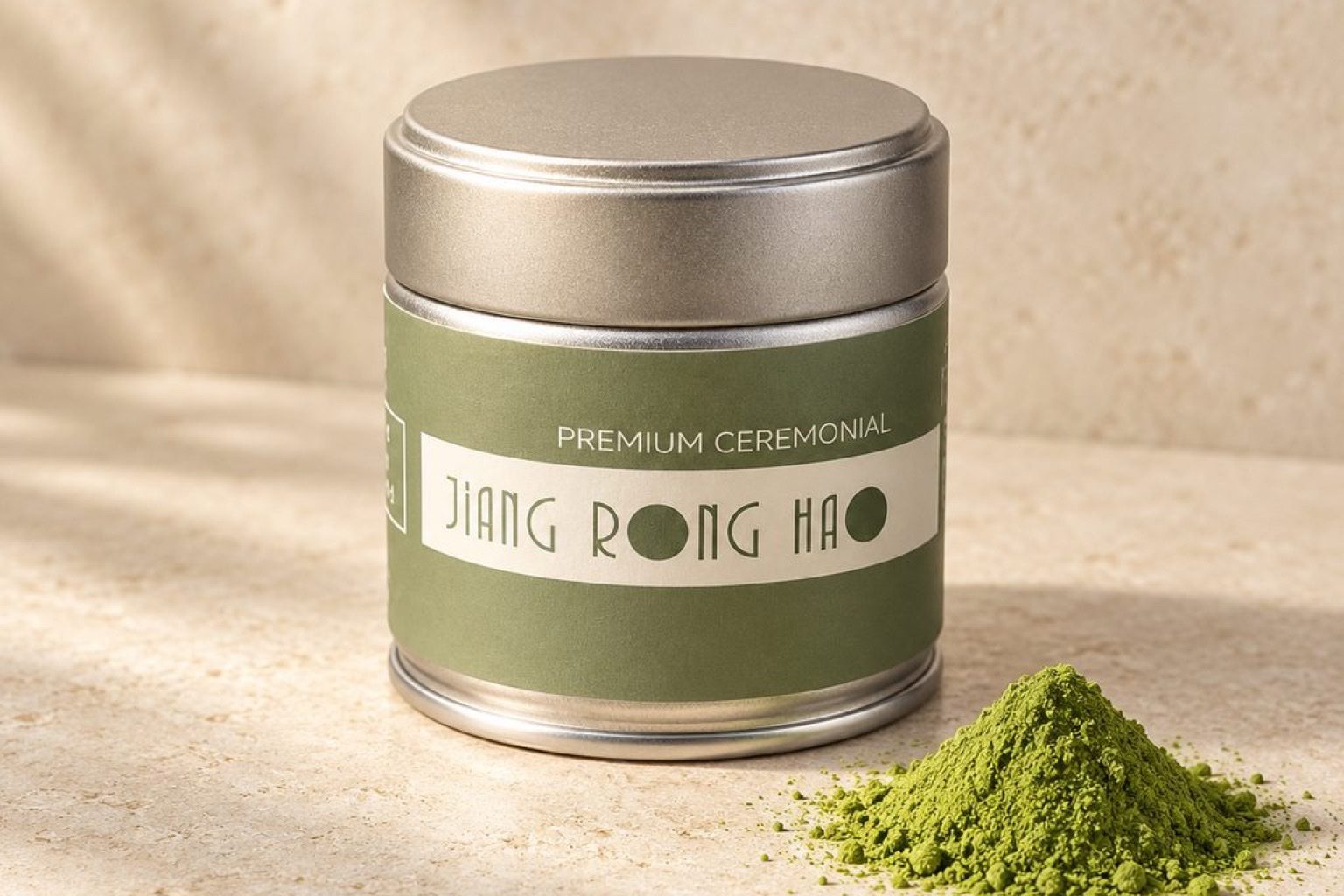
Jiang Rong Hao currently offers three matcha selections categorised by intended use. Catalogue categories provide guidance for sample selection; specific origin, harvest, and testing claims should not be inferred from text alone in the absence of batch records. View current products