
"Stone ground" sounds delightfully concrete, yet commercial buyers must ultimately assess how a powder behaves in the cup or recipe. While milling methods affect powder texture, photographs of granite millstones reveal nothing about whether a product is prone to clumping or whether it can support consistent drink preparation in a busy café.
Evaluating powder behaviour through practical preparation
Sift a small portion of powder, work it into a thin paste with warm water, and disperse it using a whisk or handheld frother. Note whether noticeable grit remains, whether lumps require repeated pressing, and if heavy sediment settles at the bottom of the cup. For lattes, run a secondary test with a fixed volume of milk; for baking, observe colour and aroma retention under actual baking temperatures and recipe ratios. Fine milling carries distinct practical value depending on the application.
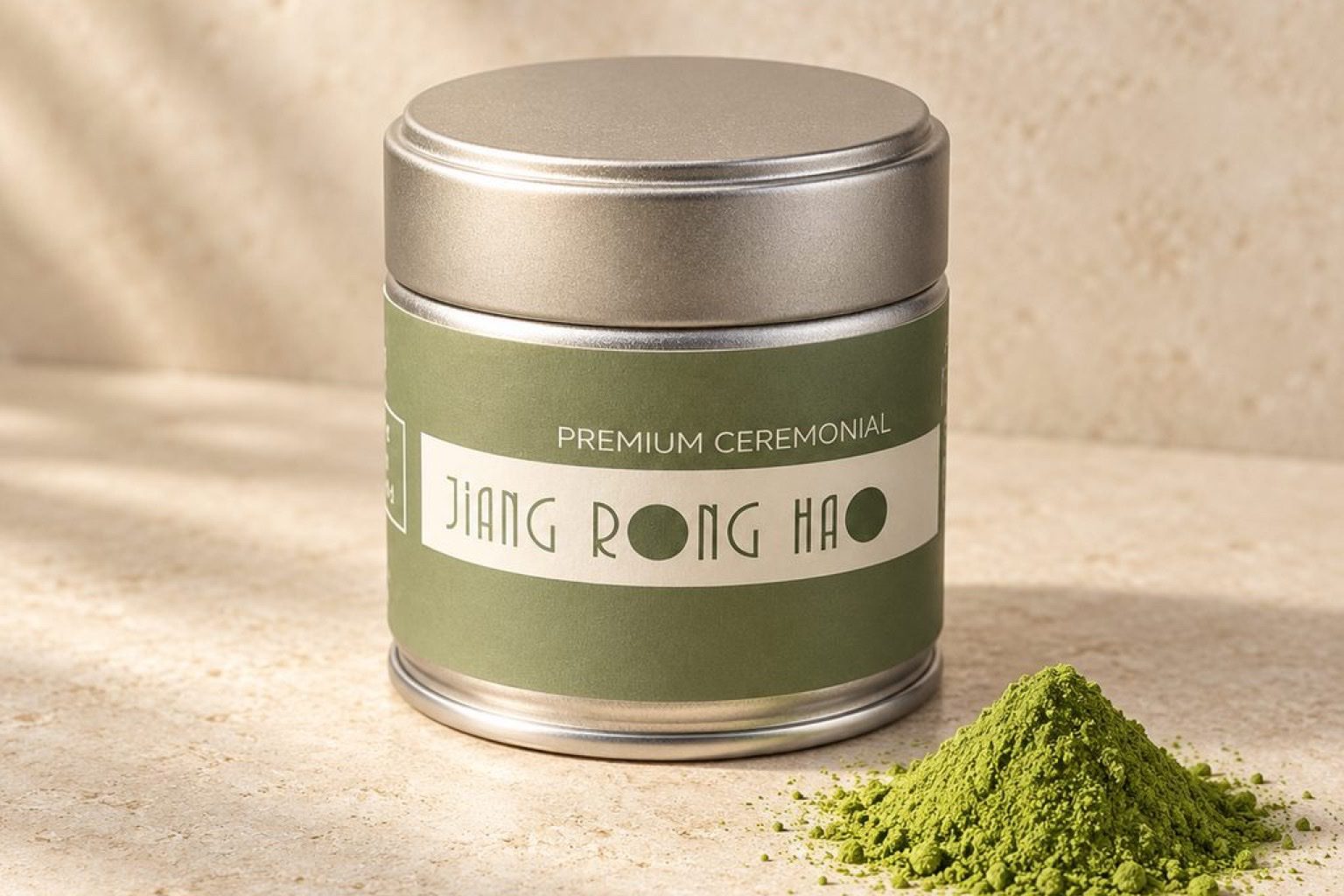
When discussing requirements with suppliers, extend questions about milling methods to include particle sifting, moisture barrier packaging, batch tracking, and testing records. If a website merely cites a craft term without providing corresponding batch documentation, do not treat the name as a guarantee of quality. The Jiang Rong Hao catalogue presents matcha for plain drinking, mixed beverages, and culinary uses; specific milling details must be confirmed against individual product specifications.
When preparing test samples, it is advisable to record when each pouch was first opened. Comparing powders that have been exposed to air for extended periods can easily lead to storage degradation being mistaken for milling differences. View Matcha Products