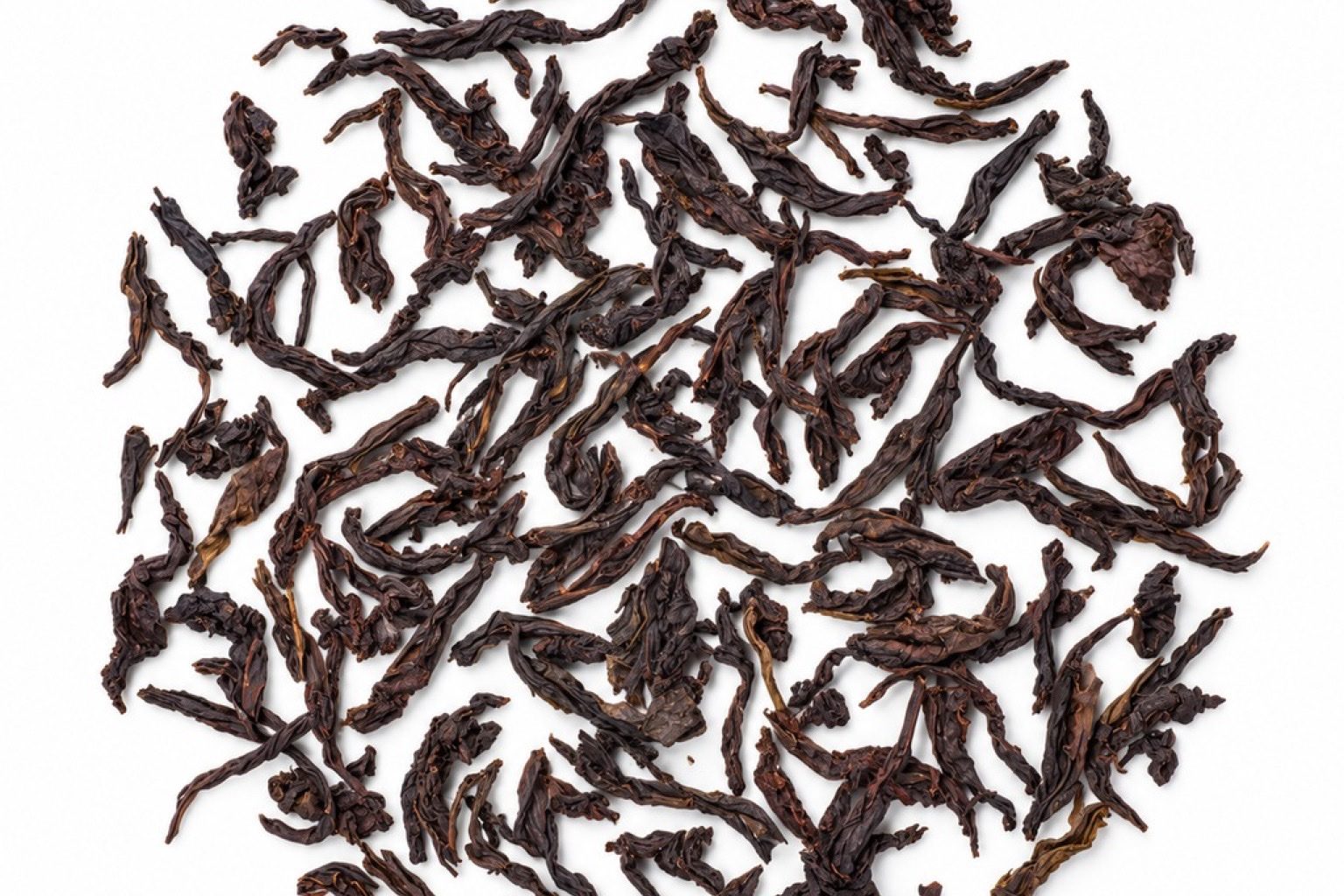
Fenghuang Dancong is frequently described by floral, fruity, or honeyed notes, but these terms are sensory descriptors rather than fixed specifications for every lot. With diverse cultivars, roast levels, and brewing methods, the aromatics will develop noticeably across temperature drops and infusion intervals.
Smell the dry leaf prior to steeping, keep the first infusion brief, and track how the aroma moves from the gaiwan lid through the liquor to the spent leaves. Refine steeping times or water temperatures only in subsequent rounds. When listing Dancong for restaurants or tea rooms, test using standard service vessels and customer-friendly brew strengths; an assertive aroma may not suit every palate.
When sourcing, confirm the specific cultivar, terroir, roast degree, batch lot, and packaging format alongside the broader Dancong designation. The Jiang Rong Hao catalogue provides Dancong oolong; website tasting notes are intended to guide sample choices, not replace origin certificates, vintage records, or testing documentation. View oolong tea
Certain floral notes show prominently in the first steep, giving way to deeper sweetness or woody warmth as the leaves cool. Recording evolution across successive infusions provides far more useful commercial insight than logging an isolated cultivar name. If a menu item is intended to be served unsweetened, test it without sugar; notes observed after adding sweeteners cannot represent the tea when drunk neat.