
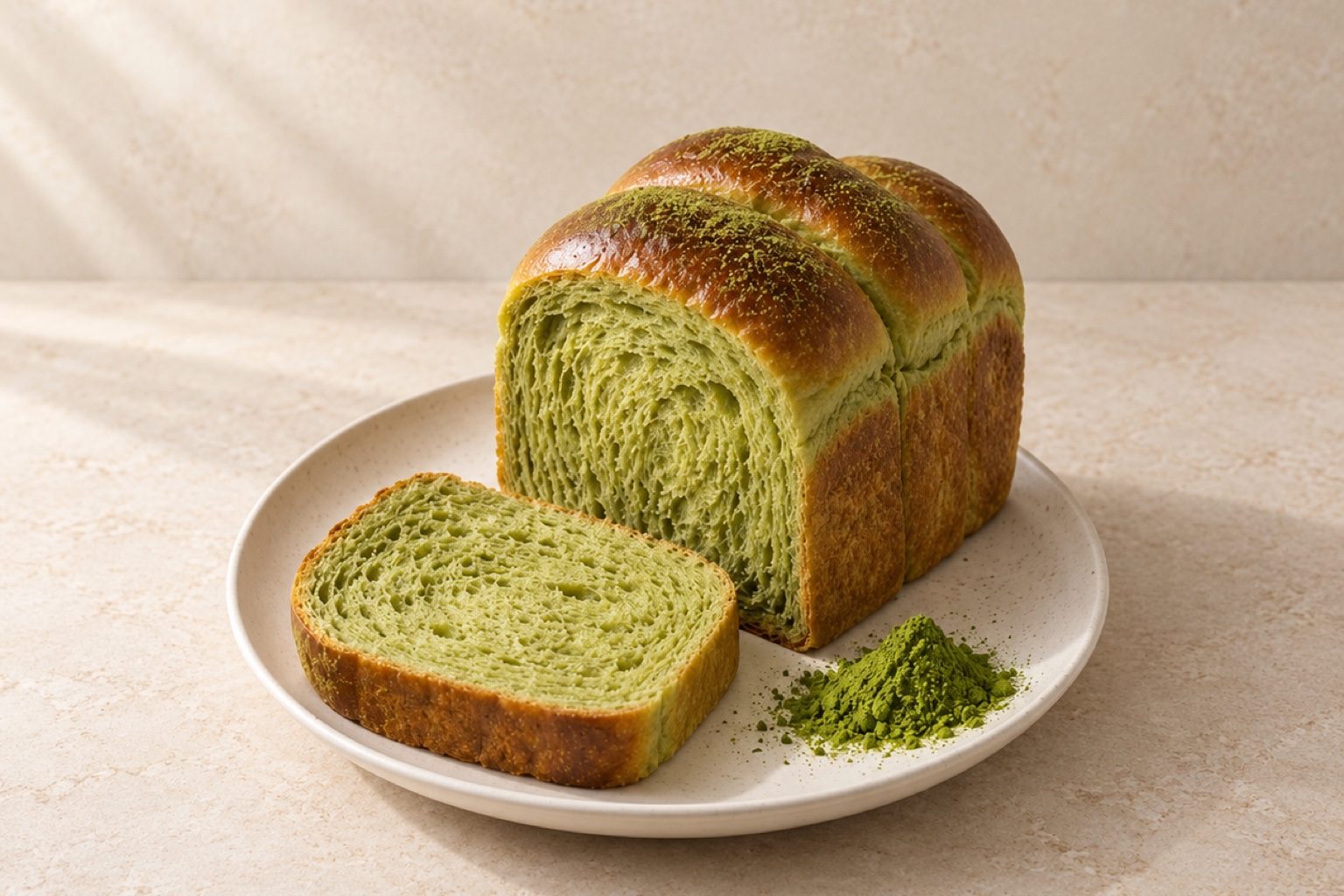
In baking, matcha is much more than a decorative dusting. Flour, sugar, butter, and oven heat will dilute or alter tea notes; a powder that tastes delightful whisked in plain water may lose all presence once folded into a large batch of batter. When selecting culinary matcha, it is best to run small trials directly within your own recipes.
Look at the finished bake, not just the dry powder
Record the colour in the batter, any clumping, and how easily the powder incorporates; once baked, check whether the crumb has dulled, whether the tea aroma has been smothered by fats and sugars, and whether a sudden harsh bitterness has emerged. Biscuits, loaves, and buttercream fillings undergo very different bake times and temperatures, so one recipe cannot speak for every dessert.
Culinary is an application category, not a uniform EU quality grade. When purchasing, you must still review ingredients, net weight, batch lots, shelf life, and destination labelling requirements. The Jiang Rong Hao catalogue offers culinary matcha; bakers should adjust recipe inclusions through practical trials. View culinary matcha
When sourcing for bakery use, enquire whether the powder is individually bagged, how quickly it should be used once opened, and how many pouches come per carton. If your production line requires sifting, check in advance whether sifting and weighing steps fit cleanly into your workflow. For foodstuffs destined for the EU, verify ingredients, net weight, date markings, storage instructions, and responsible food business operator details against the retail packaging.