Matcha naturally contains caffeine, and exact intake per serving cannot be estimated simply from visual depth of colour or cup size. First review the caffeine profile of the raw leaf material, then record the precise weight of matcha powder used per portion; without specific compositional or testing data for that batch, a reliable milligram figure cannot be stated.
If you also consume coffee or energy drinks, tally your total caffeine sources over the day. When introducing matcha, begin with modest portion sizes and avoid consuming large servings late in the evening. Individuals who are pregnant, sensitive to caffeine, or taking prescription medication should follow guidance from their physician or local public health authority rather than treating tea articles as medical advice.
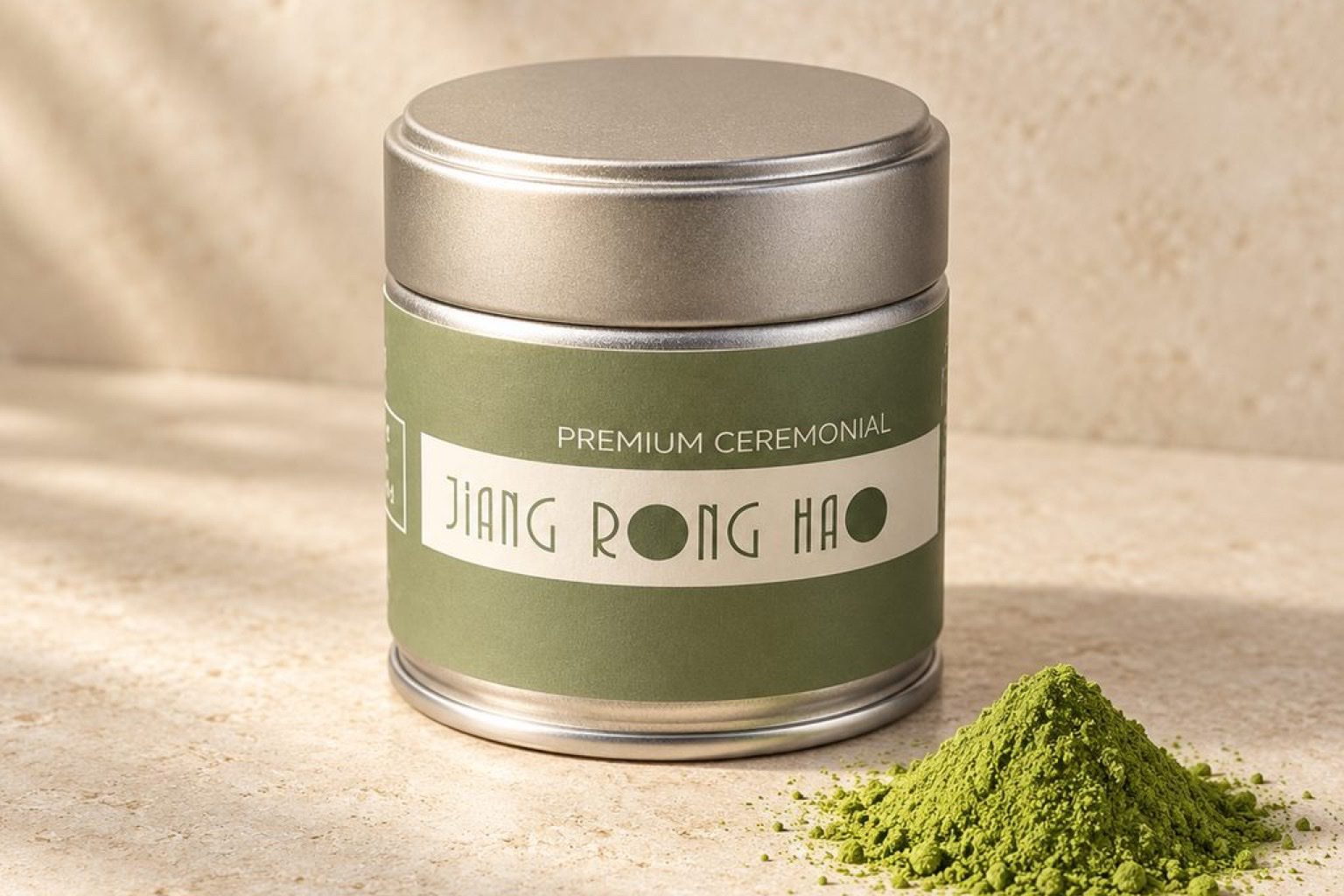
Neat whisked tea, milk lattes, and baked goods require different amounts of powder; the caffeine content per serving in food recipes must likewise be calculated from actual usage. Jiang Rong Hao provides matcha tailored to different culinary and beverage uses, with exact ingredients and product specifications stated on the packaging and individual product pages. Do not replace substantiated product facts with unverified claims such as 'energising' or 'slimming'. View Matcha Products
Whether caffeine must be declared on food packaging depends on the presentation format and destination market regulations; do not determine label declarations based solely on an informational article. Retailers seeking to offer caffeine-free alternatives should source separately verified ingredients. This text outlines dietary sources only and does not substitute for EU or UK statutory regulations or medical advice.