
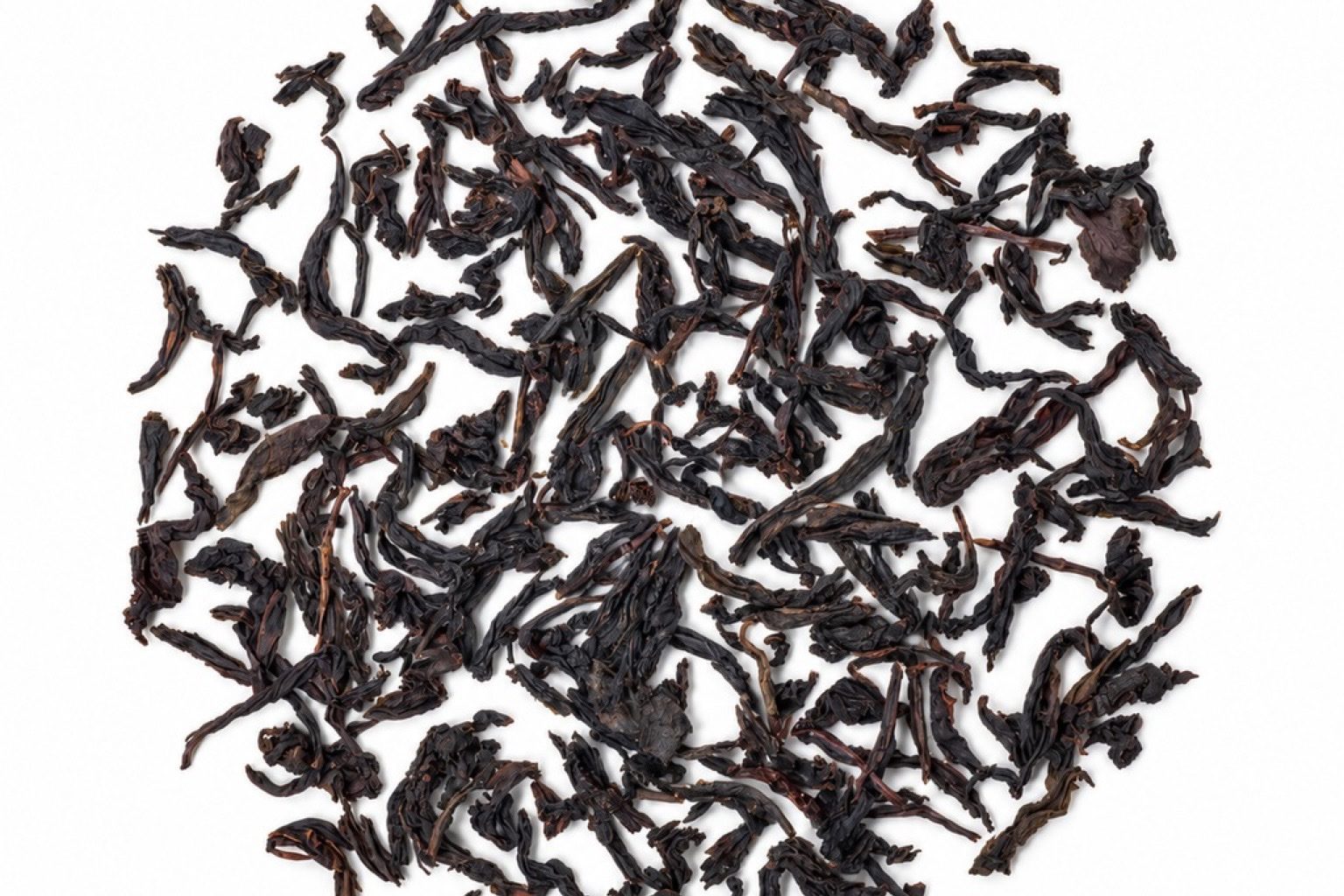
The smoky character of Zheng Shan Xiao Zhong appeals strongly to some, whereas others find it dominant on first tasting. Rather than debating authenticity, first consider your intended service: enjoyed neat, served with breakfast, paired with milk, or poured alongside rich desserts.
Begin with a lighter measure, nosing the dry leaf and the initial infusion to evaluate whether the smoke profile feels resinous, sweet, and balanced, or masks the underlying black tea character. Add a dash of milk and taste again; if the profile reduces to burnt notes, that leaf style or brewing ratio may not suit your menu. Log water temperature, infusion time, and leaf weight, avoiding judging an entire tea line by a single over-extracted cup.
When ordering, treat smoky intensity as a sensory characteristic rather than proof of specific provenance. The Jiang Rong Hao catalogue lists Zheng Shan Xiao Zhong; specific batch lots, packaging types, and storage methods are confirmed via the product page and supplier correspondence. View black tea
Smoky notes can also arise from cross-contamination in storage. If tea pouches are kept alongside scented soaps, roasted coffee beans, or perfumed items, the opening aroma will mislead tasters. Sampling rooms should use clean, odourless containers and record opening dates and storage conditions to distinguish ambient taint from genuine leaf character.