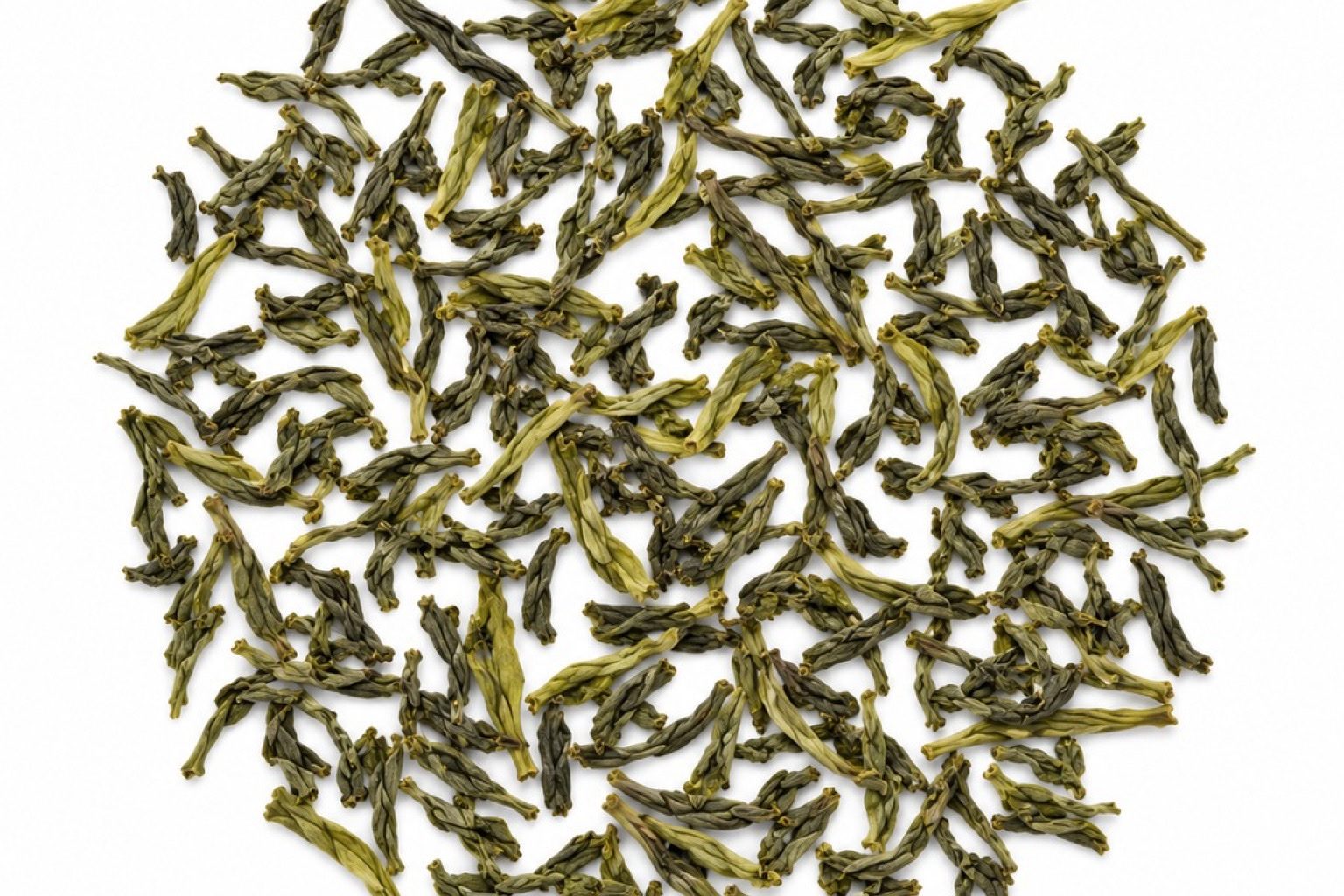
The fragrance of jasmine tea comes from scenting, where processed tea leaves are layered multiple times with freshly opened blossoms, rather than blending dry petals or adding artificial essences. The intensity of the floral note across batches depends on base leaf quality, blossom freshness, scenting cycles, and subsequent storage.
When cupping, smell the dry leaf first, brew with freshly boiled water, and note whether the floral perfume hits immediately or opens up as the cup cools. Once finished, inspect the infused leaves to check whether the scent is clean, sweet, and floral, or dulled by heavy, stale notes. Keep cups, boiling water, and steep times identical for a fair comparison. A stronger perfume is not necessarily superior; what matters is whether it fits your intended serve.
When placing trade orders, request details on base leaf origin, packaging lot numbers, net weights, and storage recommendations; for shipments destined for Europe, confirm labelling languages and responsible business operators. Jiang Rong Hao includes jasmine teas in its collection; sensory descriptions provide an indicative guide for sampling and do not replace formal testing or origin certificates. View Chinese tea
Sensory logs can separate 'fragrance on the lid', 'notes on first sip', and 'lingering aroma after cooling', providing clearer terminology for commercial discussions than vague praise like 'premium scent'. If an unopened foil pouch develops heavy, stale notes after storage, check your storage conditions and packaging seals first before querying batch variation with your supplier.