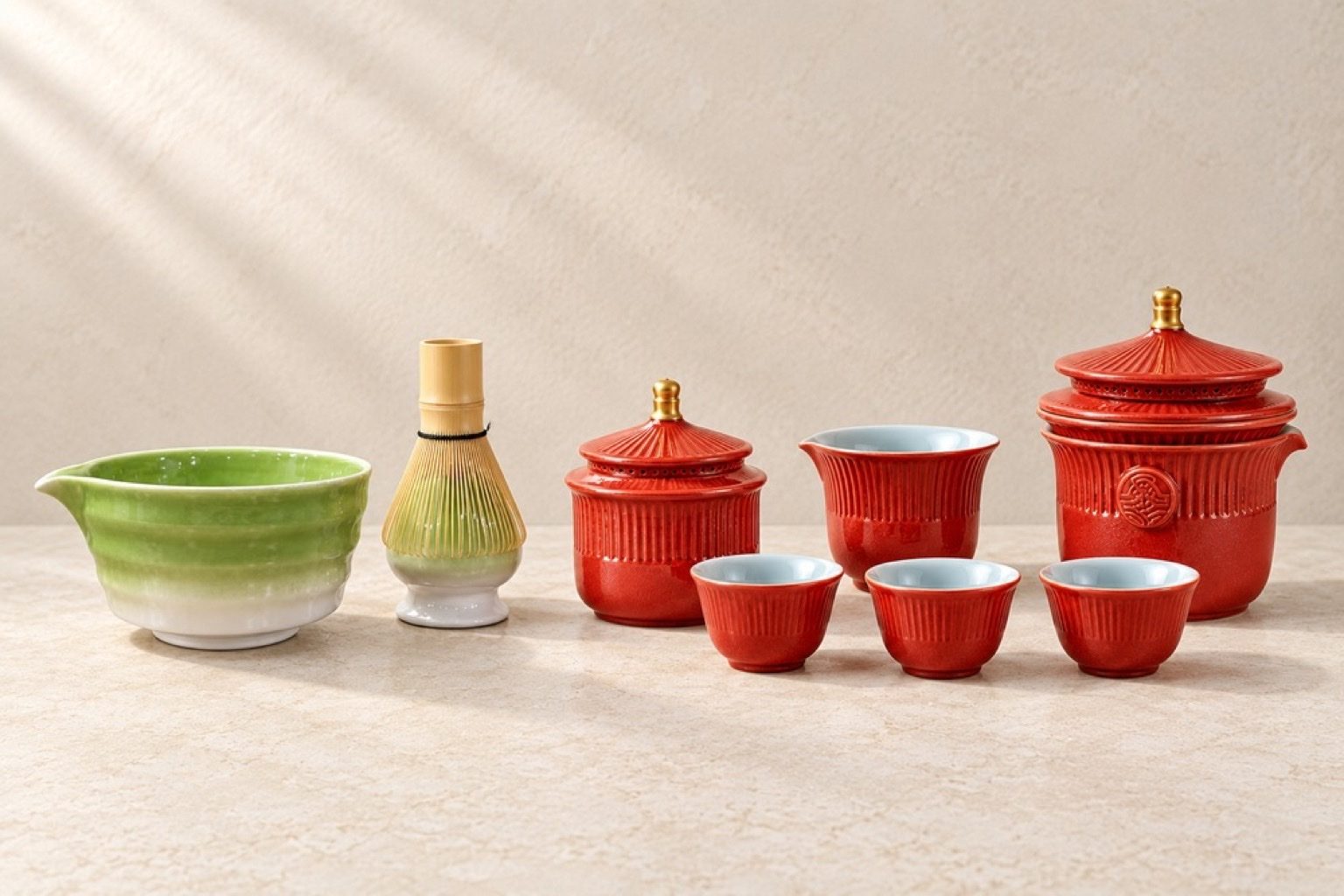
Tea stains do not need to be tackled with abrasive scrubbing; first distinguish between the materials and construction of your teaware. Glass, glazed ceramics, bamboo components, and assemblies with integrated strainers each withstand different cleaning methods. Emptying and rinsing teaware promptly after drinking is usually far easier than dealing with stains once they have dried completely.
Routine cleaning can begin with warm water and a soft sponge, using a soft brush gently along the crevices of strainers. If you notice a lingering smell, check first whether it comes from the tea leaves, the cleaning cloth, or the silicone seals, rather than masking it with heavily scented washing-up liquids. Unless stated in the product guidelines, do not place ceramics, bamboo whisks, or decorated teaware into dishwashers, ovens, or boiling water.
Offices and shops should provide dedicated space for washed teaware to dry completely. Lidded mugs and quick-brew sets in particular should be taken apart and inspected, as moisture and tea residue can hide in the joints. If cracks, glaze chipping, or persistent odours appear, discontinue use and consult the supplier regarding suitable food-contact treatments.
Check the material, heat resistance, and cleaning instructions for Jiang Rong Hao teaware on each individual product page; do not assume universal usage limits based merely on the words 'ceramics' or 'teaware'.
Teaware used in food service must also be incorporated into internal cleaning logs and food-contact compliance; a quick rinse that might seem sufficient at home may not be suitable for communal use.
If teaware is used for product tastings, uniform cleaning and drying times should be observed between each flight; otherwise, the aroma of the preceding tea will linger in the next.