
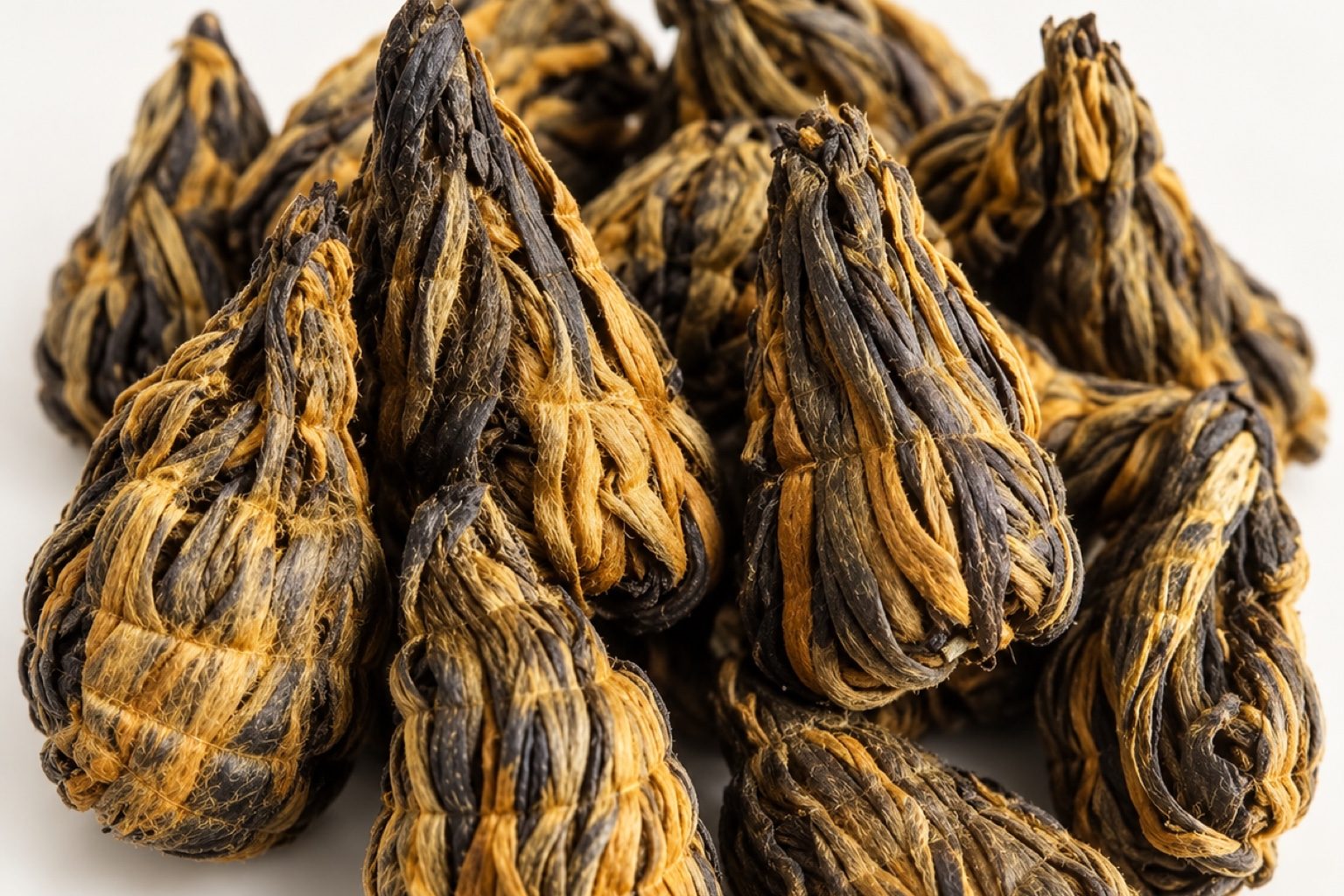
Black tea and orange juice pair naturally, but they can easily turn into an ordinary glass of juice where the tea is completely lost. Decide upfront whether you want the tea notes to lead on the palate or linger solely in the finish, then calibrate your juice and ice ratios accordingly.
A good starting trial uses 4 g of Dianhong black tea, 200 ml of hot water, 30 ml of orange juice, and approximately 80 g of ice. Brew the black tea for around 3 minutes according to the product guidelines for that batch, strain, and allow to cool. Take a few sips of the base tea first, then pour 120 ml of tea liquor over ice, add the orange juice, and hold off on sugar for now. If it tastes overly sharp, reduce the orange juice first; if the tea flavour is washed out by the ice, use less ice or increase the tea strength slightly. Reserve sugar syrup for the final trial, introducing it in small increments.
Side-by-side cups beat working from memory
Keep one cup as your base recipe and alter only the orange juice volume in the other. Note down the tea presence on the first sip, the timing of the citrus acidity, and the balance once the ice has diluted the drink, so you know exactly which variable to adjust in the next round. If switching to a distinctly smoky Lapsang Souchong, the citrus proportion must be recalibrated from scratch; you cannot substitute the tea and assume the flavour balance remains identical.
Fruit juices, syrups, and garnishes alter ingredient lists and allergen profiles; commercial operators must manage labelling, hygiene, and product shelf life in accordance with actual formulations and local regulations. The gram weights provided here serve as a development baseline, not as an official standardised recipe for any specific Jiang Rong Hao black tea.