The question "should the first steep be discarded" often conflates two separate objectives: some wish to help compressed tea leaves open up more quickly, whilst others assume a quick rinse washes away food safety concerns. The former is a brewing choice; the latter cannot be solved with a cup of hot water.
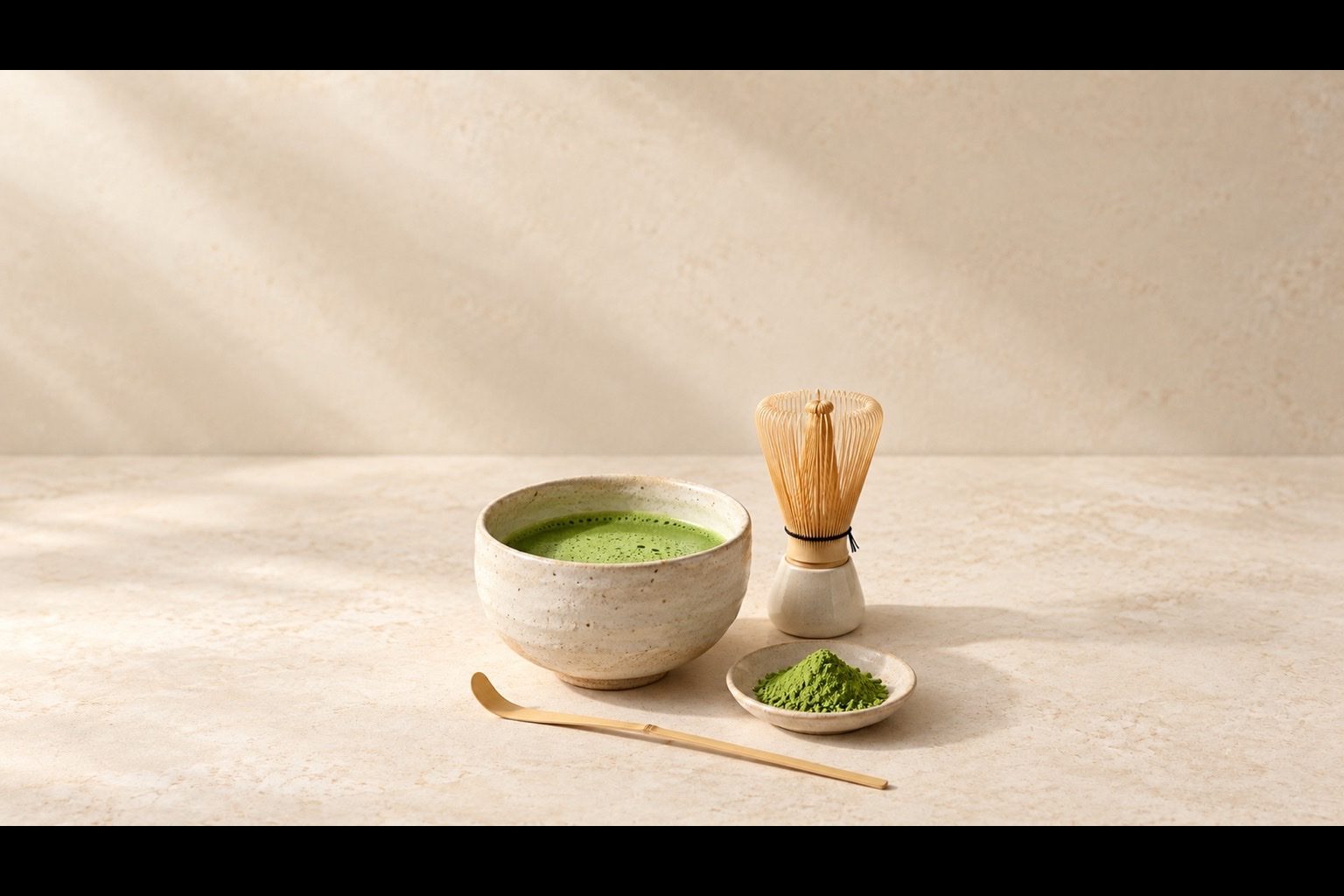
For delicate fresh-scented green teas or tender white teas, the first steep often best displays the aroma, and drinking it directly shows the tea as it truly is. For tightly compressed Pu-erh cakes, a small amount of hot water can be used to moisten the leaves first, helping the compressed tea loosen before commencing formal brewing. Whether to moisten the tea, how much water to use, and how long to leave it depends on leaf morphology and personal taste; "tea washing" should not be treated as a mandatory rule.
Check the packaging and batch first
If concerned about impurities, storage, or production hygiene, refer to traceable batch records and testing data, and inspect storage conditions. Discarding the first steep does not prove that pesticide residues, heavy metals, or microbiological risks have been eliminated. Should tea show mould, off-odours, or damaged packaging, rinsing it will not make it safe to consume.
During cupping or sample procurement, note whether the first steep was tasted, avoiding moistening leaves for one sample whilst drinking the first steep of another and mistakenly attributing flavour variations entirely to the leaf.
For samples intended for laboratory testing or formal sensory evaluation, retain original packaging and batch numbers in line with testing or panel protocols, rather than treating "discarding the first steep" as a sample preparation method.
When enquiring with suppliers, separate "leaf moistening" from "pre-testing sample preparation", and request clarification on the corresponding batch and intended purpose of the data, ensuring both parties are not talking at cross purposes.