A tea workshop does not need to open with an exhaustive history of tea. Allowing someone encountering Chinese tea for the first time to smell the dry leaf aroma, brew a cup themselves, and articulate what feels different is more than enough to create a rich and meaningful experience.
First confirm attendee numbers, total duration, language of delivery, and whether the venue can safely supply boiling water. A small group of six to eight serves well as a planning assumption for table layouts rather than a rigid rule: every participant needs an accessible cup and a clear spot for pouring; shared pots, gaiwans, and fairness pitchers require dedicated room for cleaning, passing, and scald prevention. Keep tea samples focused—choose two clearly distinct styles, such as a green tea and a ripe Pu-erh, introduce the leaf appearance and brewing method, and invite participants to compare them using identical cup volumes.
Ensure everyone drinks tea they brewed themselves
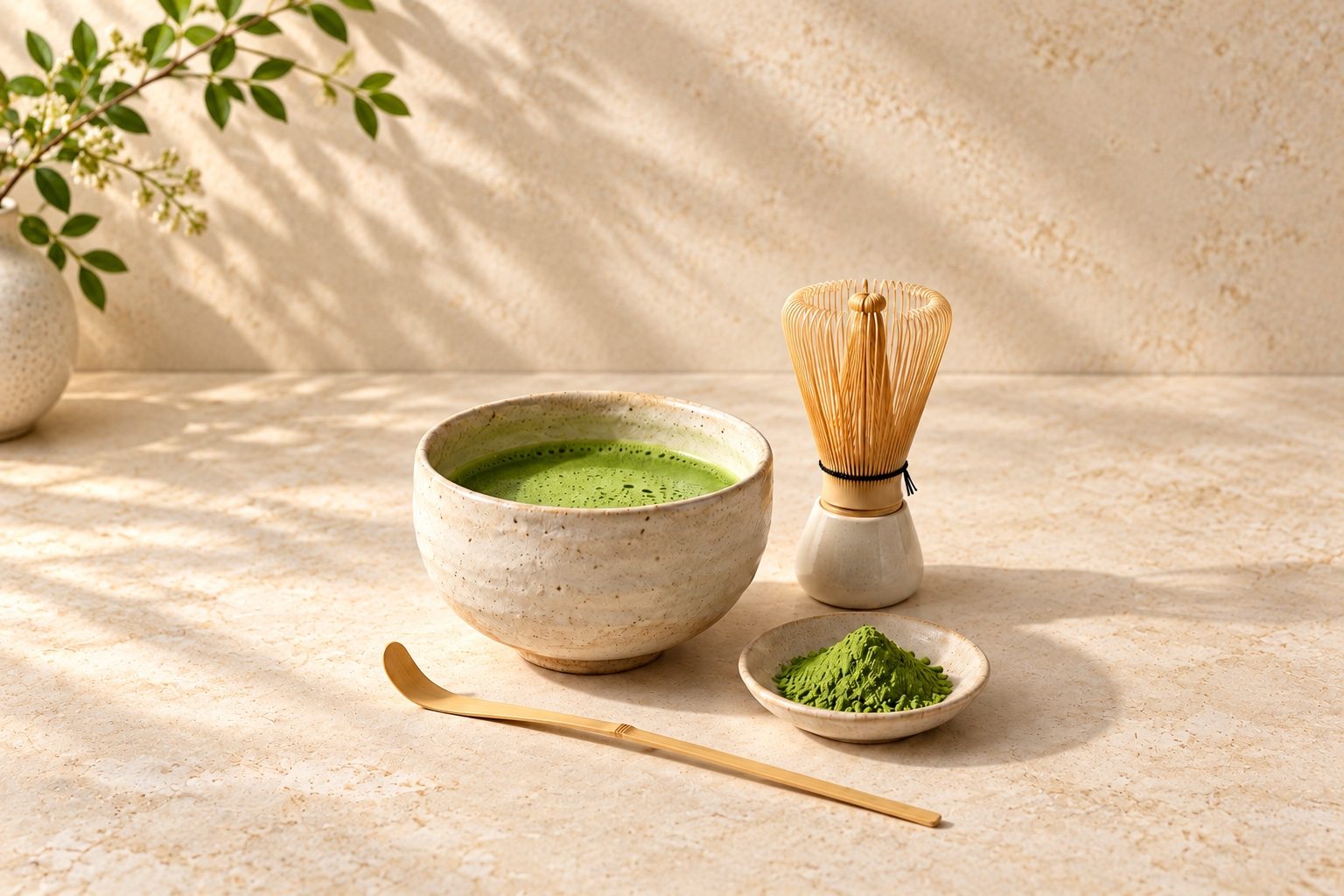
The session can be structured into inspecting dry leaf, appreciating aroma, demonstrating leaf-to-water ratios and water temperature, hands-on brewing, and exchanging notes. The instructor should note actual leaf and water amounts to prevent anyone brewing an overly strong cup and concluding that the entire tea category is bitter. If matcha whisking is included, teaware quantities and cleaning time must be factored in separately rather than cramming every activity into the same slot.
State clearly on the registration page whether teas contain caffeine, list the actual tea samples, and provide potential food allergen details; arrangements for children and special dietary needs must follow organiser and local requirements. Jiang Rong Hao teas and teaware are available as curriculum options; venue arrangements, staffing, teaching qualifications, and local event regulations remain the responsibility of the organising host, and this text does not constitute a record of past events.