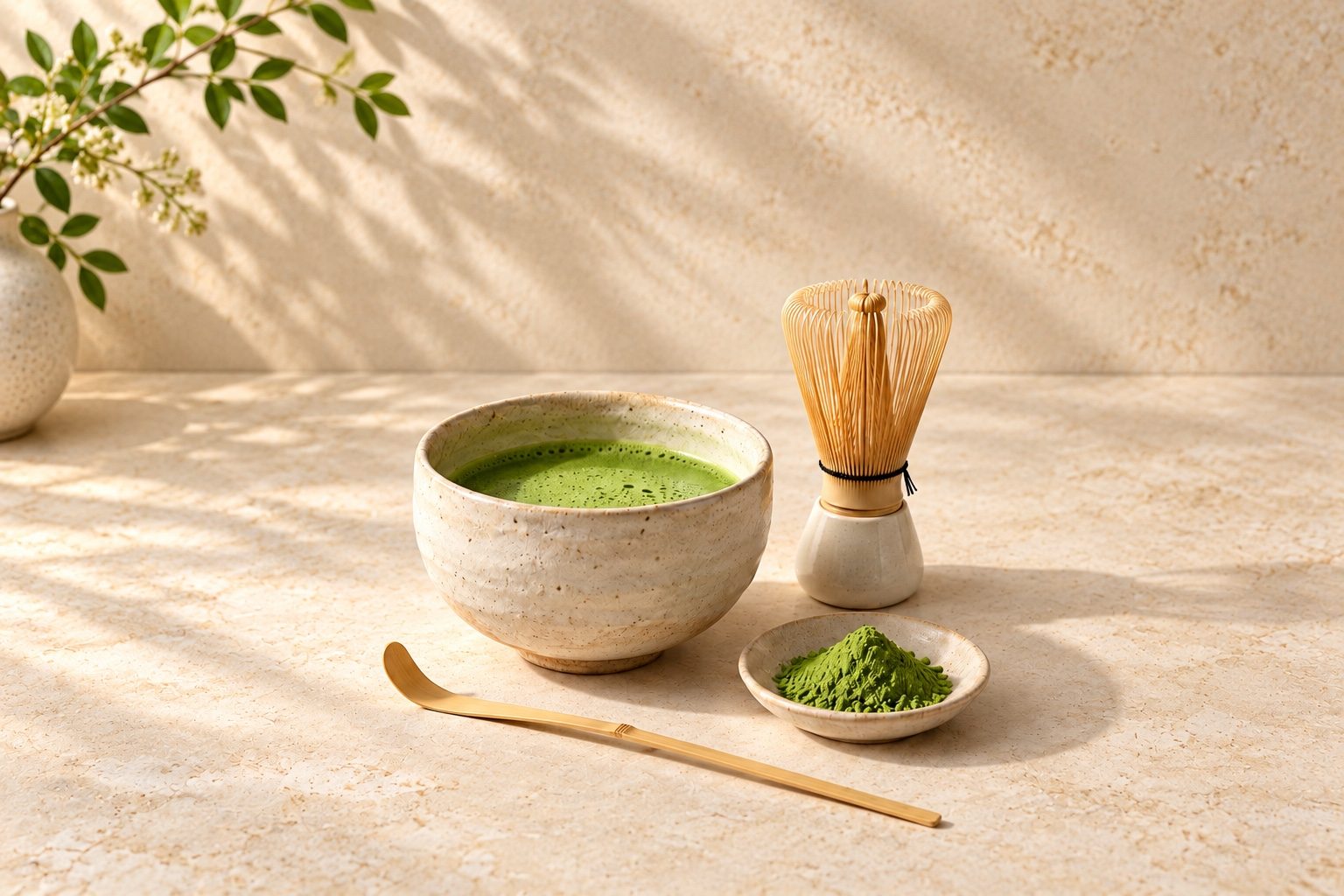
Cups, tea leaves, and hot water can feature in both settings; the distinction does not lie in being "professional" versus "unprofessional". Brewing a cup in an office mug in the morning prioritises convenience; inviting someone to sit down for a slow brew allows the movements, conversation, and time to become part of drinking tea.
Everyday tea drinking can be very straightforward: choose a tea you enjoy, measure the leaf to suit your mug, and if it tastes too strong, shorten the steeping time or dilute it with water. A gaiwan or Gongfu teaware makes it easier to observe how successive infusions evolve. Actions such as warming cups, appreciating the aroma, and sharing out the tea serve partly to manage temperature and volume, and partly to draw everyone at the table into noticing the tea's aroma; there is no need to interpret every movement as a mystical ritual.
Drinking with company changes the pace
When hosting, ask first whether your guest drinks tea and whether they mind caffeine before deciding what to brew. When two or three people share a pot, keep cup volumes and water temperatures in mind; washing teaware and avoiding cross-contact are also more important than displaying elaborate techniques. Customs vary across regions and tea gatherings, and a single performance should not be taken as the daily routine of every Chinese household.
Jiang Rong Hao loose-leaf teas, Pu-erh teas, and teaware offer different directions to explore. Begin with one tea and a comfortable set of utensils to compare the experience of a quick solitary brew with a slower shared session; this is experiential guidance, not a historical or cultural certification for any specific product.