
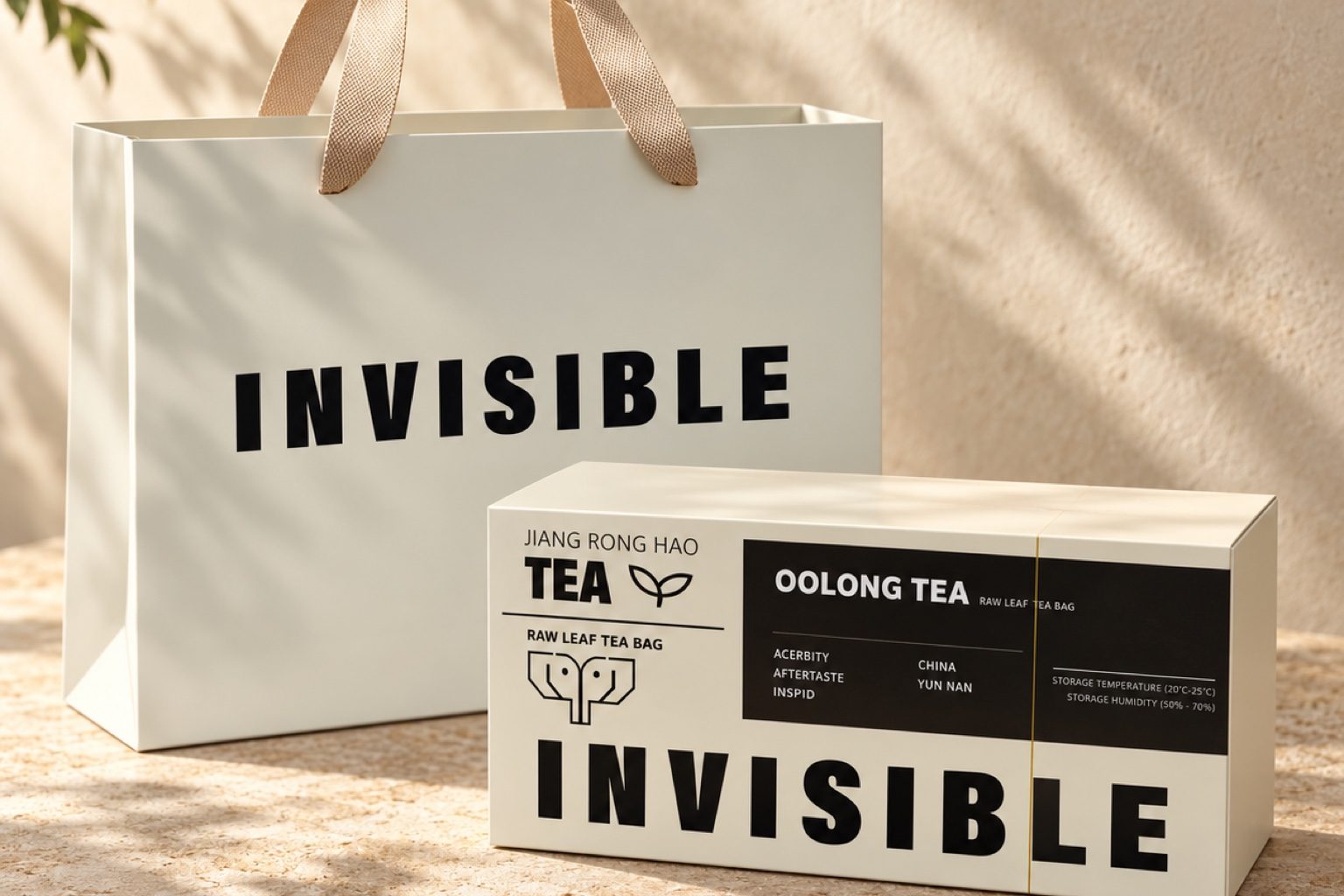
Small boxes are suited to broad distribution, carrying in hand luggage, or offering recipients an initial taste; large boxes are better suited when you wish to present tea varieties, net weights, and a sense of occasion together. There is no fixed hierarchy between the two; the real distinction lies in recipient numbers, transport methods, and the role the gift is meant to perform.
When handing gifts out in person to trade fair visitors or colleagues, consider first whether small boxes fit neatly into conference bags and whether tea names and brewing guides are easily legible. For important clients receiving parcels at their offices, factor in outer cartons, cushioning, delivery dates, and split-shipment fees. If the recipient does not own teaware, a small box paired with a practical, easy-to-use mug may prove far more useful than a large box containing several more teas.
Jiang Rong Hao's gift box pages feature both small-box and large-box options; tea varieties, net weights, and components are as stated on each individual page. Do not assume that a larger box contains a higher volume of tea or permits customisation, nor assume that carrier bags, cards, or teaware shown in photographs are included by default.
Orders destined for Europe must also verify label languages, dispatch points, VAT/customs duties, freight costs, returns policies, and latest arrival dates. Incorporating these conditions into your request for quotation ensures you can evaluate the true cost of gifting.
If budgeting on a per-head basis, confirm the net weight and actual tea varieties in each box before comparing box counts; assessing sets solely by outer carton dimensions often overlooks secondary packaging, shipping, and tax liabilities.
When gifts need to be taken onto flights or trains, check cabin luggage allowances alongside local food import rules; gift box size should never be determined purely by aesthetics.