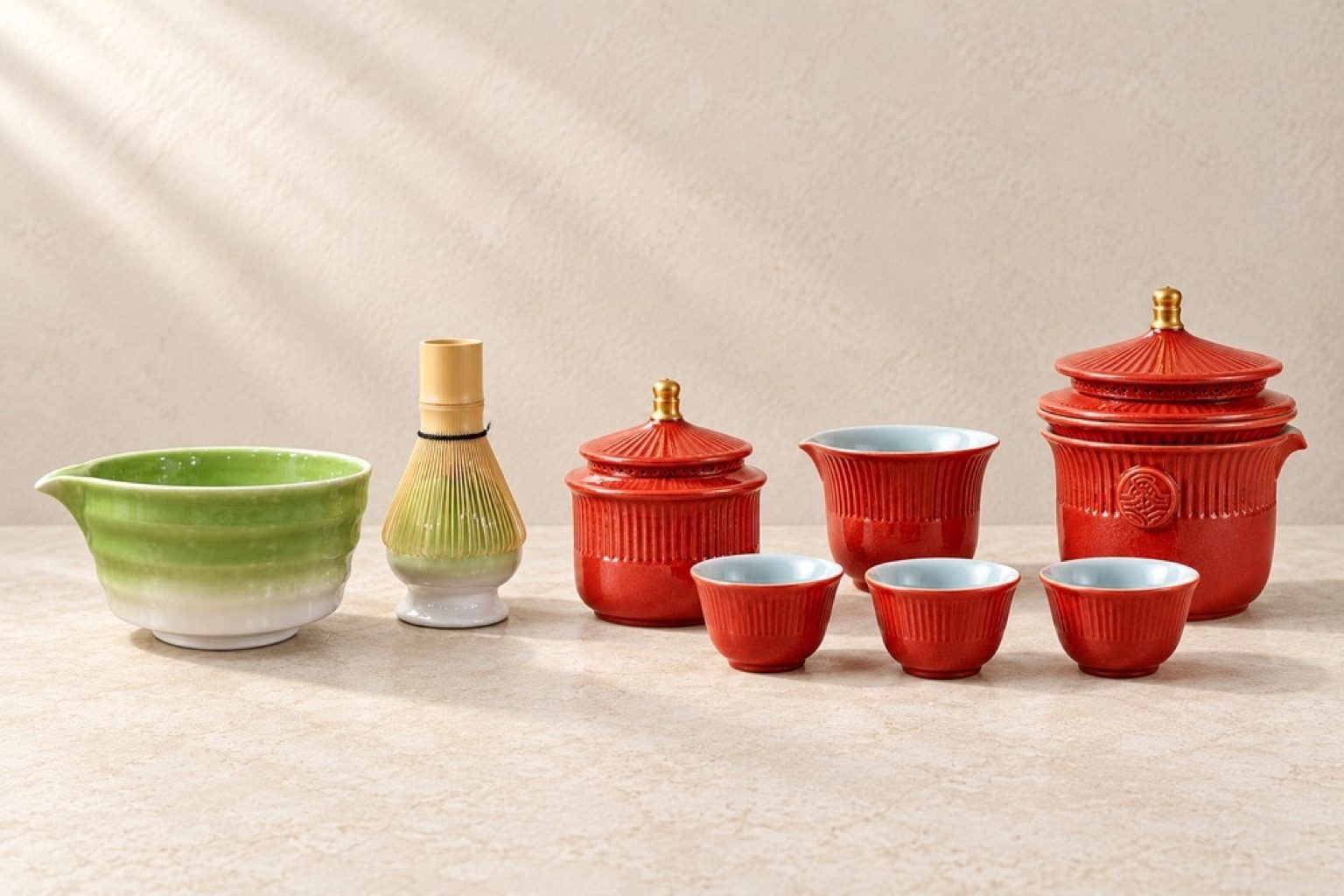
Tea can make a thoughtful gift, yet it can also leave the recipient unsure how to begin brewing. When gifting across languages, clear explanations are far more practical than symbolic meanings: what kind of tea it is, how many times it can be infused, what teaware is required, and whether there are dietary or caffeine considerations.
Consider the recipient first. If they regularly drink black tea, a tin of loose leaf with clear net weight and a brief brewing guide is generally much more accessible than a "rare mountain peak" shrouded in jargon; if they are trying matcha for the first time, clarifying whether to whisk it with water, blend it with milk, or use it in desserts is clearer than a vague label of "high-grade matcha". For corporate clients, confirm delivery addresses, contents per parcel, language requirements, budget, and delivery dates before selecting gift box styles.
Keep instruction cards concise and precise
A card can list the tea name, tea type, recommended leaf and water ratios, brewing methods, storage advice, and any ingredients or allergen information requiring verification. Avoid unfounded claims regarding healing or weight loss, and do not treat commercial product names as certified origins or vintages. Brand stories without publicly verifiable sources are best omitted from the gift box.
Jiang Rong Hao offers loose-leaf teas, teaware, and various gift box sets for comparison; specific contents, packaging formats, local language labelling, and European delivery costs must be confirmed based on the destination country and individual order. What makes a gift truly useful is that the recipient can understand it and feels confident brewing it.